


Bead Collection Consignment: Expert Strategies to Sell Inventory and Jewelry Supplies Efficiently
Consigning or selling a bead collection—whether inherited, excess inventory, or from a closing bead store—requires strategic planning to maximize value and reduce hassle. Those holding large bead or jewelry supply inventories can benefit from specialized consignment programs or liquidation services designed to handle bulk sales efficiently. The best approach often involves partnering with bead inventory liquidation services or wholesale bead suppliers that offer flexible platforms beyond popular marketplaces like Etsy or eBay.

Inherited bead collections and bead store inventories present unique challenges, including organizing and pricing vast assortments. Selling through consignment or jewelry supply consignment programs provides access to targeted buyers without the seller managing every detail. Bead and jewelry makers looking to sell supplies in bulk or close a bead store can use these services to avoid steep discounts and maintain profitability.
Bead store owners, retired or closing their business, find value in exploring online bead sales through wholesale suppliers or specialty bead dealers, who cater to artisans and collectors alike. This approach streamlines the process while reaching a broader market than local or traditional options. Ultimately, clear inventory systems and choosing the right sales channel are key to successfully selling bead and jewelry-making supplies.
Why Bead & Jewelry Supply Collections Are Hard To Sell
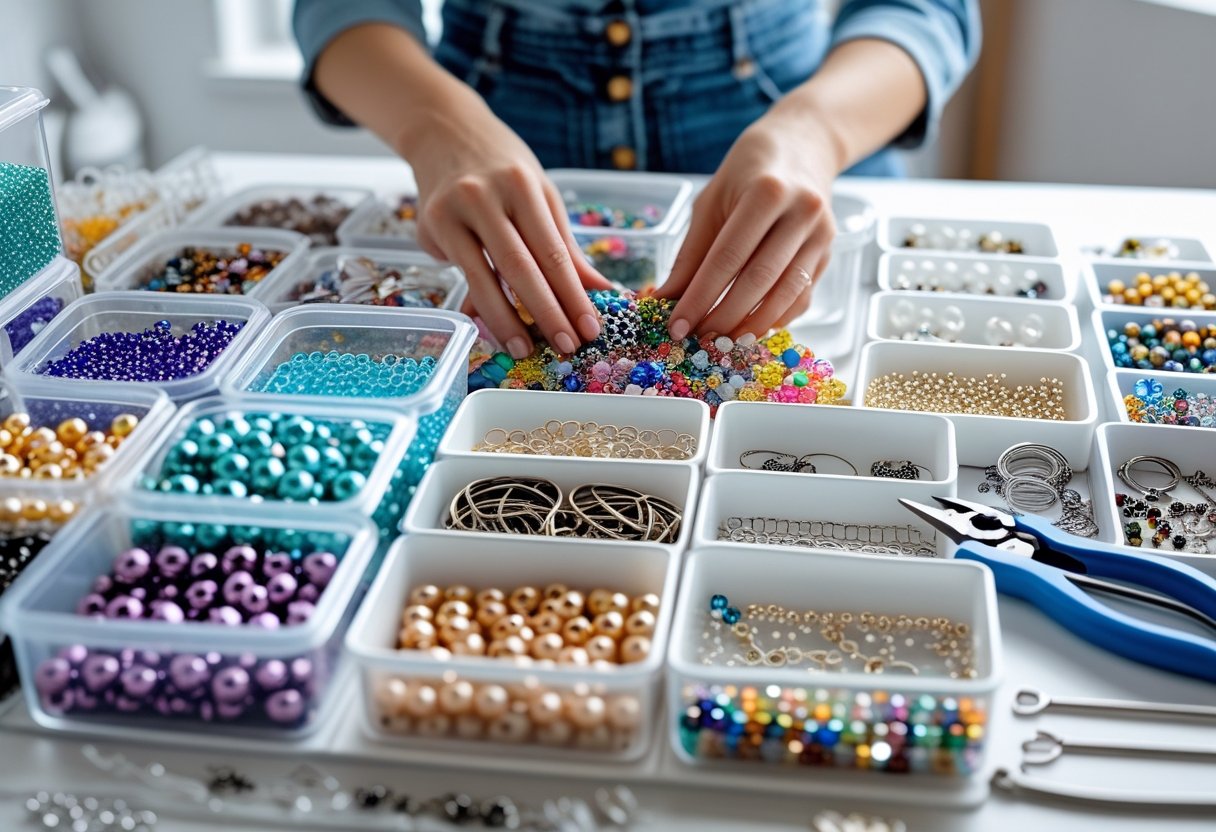
Bead and jewelry supply collections pose unique challenges for sellers. The inventory typically includes numerous small items, each requiring accurate valuation and effective presentation. Additionally, the logistics of organizing, storing, and shipping these items demand significant time and effort. These complications affect both consignment and direct sales, especially when navigating online marketplaces.
Thousands of Small Items and SKUs
Bead collections often consist of thousands of tiny items and individual SKUs, creating a complex inventory. Each bead type differs by size, color, material, and quantity, making it difficult to group or bulk-sell without losing value. Sellers must inventory meticulously to avoid misrepresentation and dissatisfaction from buyers.
This large volume of items also complicates pricing and listing. Many beads sell in strands or small quantities, requiring dozens or hundreds of separate listings for a full collection. Disorganized inventories increase the risk of miscounting or missing valuable beads altogether, reducing potential revenue.
Specialized Pricing Knowledge Required
Pricing beads and jewelry supplies demands specific expertise. Values vary based on material quality, rarity, and current market trends. For example, natural gemstones command higher prices than common glass beads, but distinguishing between them requires knowledge that most casual sellers lack.
Without this pricing insight, sellers often undervalue or overprice items, which slows sales. Beaded jewelry makers and collectors look for fair, accurate prices, so mispriced listings can result in extended selling times or lost offers. Professional appraisal or consultation may be necessary to properly set prices.
Time, Photography, Listings, Storage, Shipping
Selling bead supplies involves numerous time-consuming tasks beyond pricing. Photographing thousands of tiny beads individually is challenging but essential to attract buyers and provide accurate product representation. Poor images often lead to buyer hesitation.
Listing items accurately with detailed descriptions also takes substantial effort. Clear storage solutions are critical to keep beads organized before and during the sales process. Shipping beads requires secure packaging to prevent damage or loss of small pieces, increasing costs and complexity. Each of these steps demands resources that some sellers underestimate.
Why Marketplaces Like eBay/Etsy Aren’t Ideal for Large Collections
While eBay and Etsy attract bead buyers, they are not always ideal for large bead collections or store inventories. These platforms favor individual or small batch sales, making it inefficient to list thousands of small items customarily found in collections.
High listing fees and competition from established sellers can reduce profitability. Bulk sales or consignment arrangements are difficult to manage on these sites. Sellers often seek specialized consignment services or niche platforms better equipped to handle bulk bead inventory and provide targeted buyer access.
A Better Option: Selling Bead Inventory On Consignment
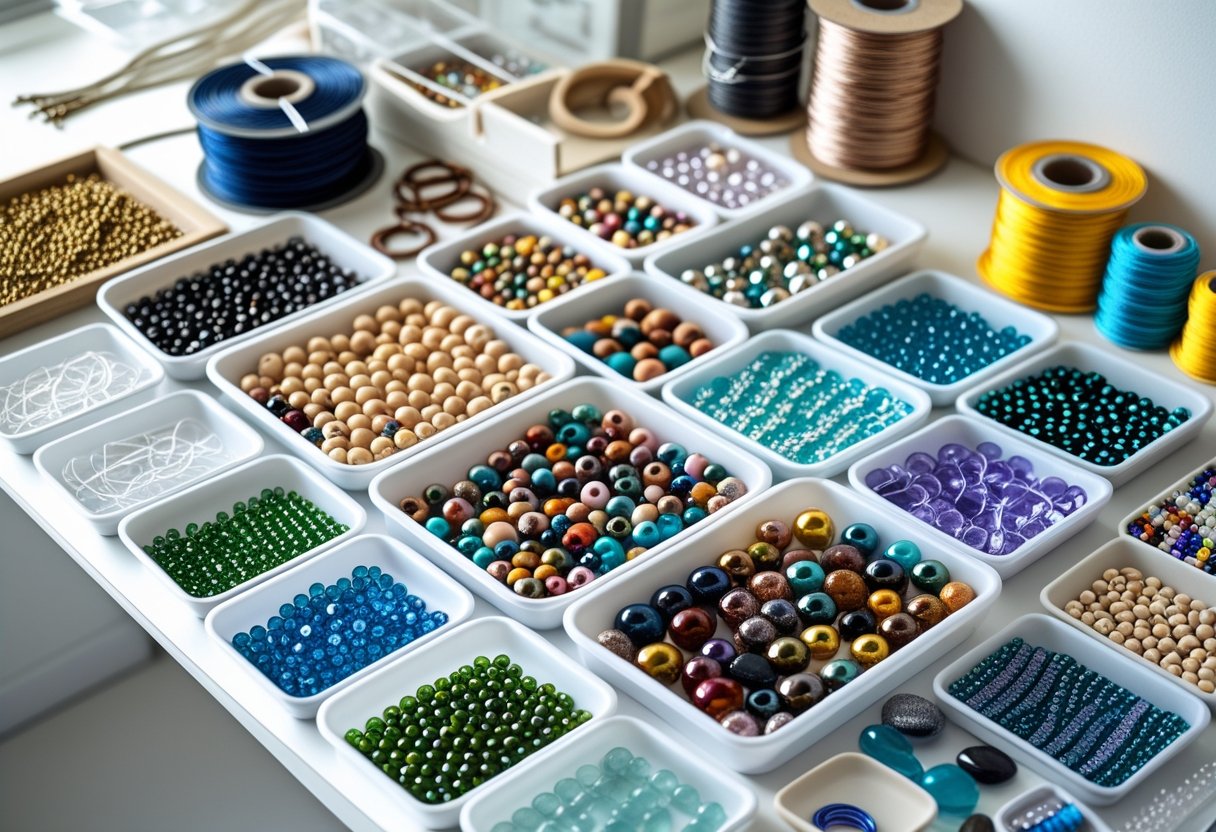
Selling bead inventory on consignment offers a practical alternative to outright sales or auctions. It allows sellers, especially families or retiring shop owners, to avoid upfront costs and the complexity of managing sales. This method also leverages the expertise of established suppliers who handle marketing, pricing, and customer relations.
What Consignment Means in This Context
Consignment means the bead inventory is placed with a retailer or dealer to sell on behalf of the owner. The consignor retains ownership until the beads are sold, receiving payment only after the sale is complete. This reduces the need for the owner to manage individual transactions or marketing efforts.
For bead collections, consignment often involves specialized bead stores or jewelry supply dealers. These partners display the inventory, promote it to their customers, and handle all sales operations. This approach is useful for handling large or inherited collections without requiring immediate liquidation.
How It Removes the Burden from Families and Retirees
Consigning bead inventory removes the logistical and emotional burden from families and retirees who may not want or be able to handle the sales process. Instead of pricing items individually, setting up displays, or advertising, the consignor benefits from the dealer’s sales infrastructure.
Retirees closing a bead store can avoid the stress of hosting clearance sales or managing bulk sales alone. Families inheriting bead collections get professional management of the inventory, allowing fair market exposure without personally dealing with every step.
Why Working With an Established Supplier Matters
An established supplier or bead dealer offers crucial market knowledge and a reliable customer base. They can price beads competitively based on current trends and ensure inventory turns over efficiently. This expertise minimizes risks of undervaluation or prolonged unsold stock.
Moreover, experienced consignors provide structured inventory systems, promotional capabilities, and professional sales channels. This leads to higher visibility for the inventory and smoother transactions, both vital for maximizing returns when selling bead or jewelry supply inventory on consignment.
How Our Bead Consignment Program Works
This program manages bead and jewelry supply inventory from shipment to sale while handling marketing, order management, and customer service. Consignors receive clear reporting and timely payouts based on a transparent revenue split. The process aims to simplify selling bead store or inherited collections without upfront costs or complex logistics.
Shipping Inventory to Us
Consignors pack their bead inventory or jewelry making supplies securely and ship them to a designated facility. Clear labeling and accurate item descriptions help streamline inventory management upon arrival. The program accepts bulk bead supplies, store closing stock, or excess inherited collections.
Items are inspected and cataloged quickly to ensure quality control. Any damaged or misrepresented pieces are reported promptly for resolution. Once accepted, inventory is stored in a controlled environment optimized for order fulfillment efficiency. Shipping fees are typically the consignor’s responsibility unless otherwise agreed.
We List, Market, Sell, Ship, and Handle Customer Service
All items sent in are professionally photographed and listed on multiple online sales channels, excluding third-party marketplaces like Etsy or eBay to avoid fees and restrictions. Detailed product descriptions boost buyer confidence. The program employs targeted marketing strategies including email campaigns, social media promotion, and SEO-optimized listings to increase visibility.
Order management software tracks sales and inventory status in real time, reducing the risk of overselling. Fulfillment teams handle packing and shipping promptly. Customer service representatives address questions, returns, or issues, providing a consistent buyer experience. This end-to-end handling reduces workload and simplifies consignment for sellers.
Revenue Split (40% to the Consignor)
Consignors receive 40% of the final sales price for each item sold. This rate balances fair compensation with program operating costs, including marketing and fulfillment. Revenue is calculated after deducting transactional expenses such as payment processing fees.
Payments are issued monthly by direct deposit or check, depending on consignor preference. Unsold inventory remains consigned for a predefined period, after which the consignor can request a return or disposal. This split arrangement incentivizes sellers while ensuring sustainability of the consignment service.
Transparent Reporting and Payouts
Consignors gain 24/7 access to an online dashboard showing current inventory, sales history, and payment status. Reports break down revenue by item, date, and channel, facilitating effective inventory and financial management.
Notifications alert consignors about new sales, returns, or low stock levels. Payout summaries detail commissions earned and fees deducted. This transparency supports informed decisions for future consignments or inventory adjustments. The program values clear communication and accountability in all transactions.
Who This Program Is Best For
This program serves a range of individuals connected to bead businesses and collections, particularly those seeking effective ways to manage or monetize bead inventory. It supports various needs, from handling inherited collections to liquidating stock after closing a physical store.
Families Who Inherited a Bead Store or Collection
Families who inherit a bead store or a large bead collection often face challenges in assessing the value and practical use of these assets. This program can help them organize, inventory, and sell the inherited items effectively. It provides clear methods for liquidating bead inventory in bulk or piecing it out to smaller buyers.
They benefit from expert guidance on pricing rare or high-value beads and accessing wholesale buyers or consignment options. This avoids holding onto unused stock and turns an inherited collection into tangible funds with minimal hassle.
Retired Bead Shop Owners
Retired bead shop owners looking to exit the business need solutions for handling remaining inventory and supplies. This program offers strategies to sell bead store inventory swiftly while reaching both wholesale buyers and individual customers online.
It supports sellers by providing inventory management tools and connects them to consignment opportunities, easing the transition out of the bead business. Retirees can maximize returns on their bead and jewelry-making supplies without managing ongoing sales themselves.
Jewelry Designers With Excess Inventory
Jewelry designers often accumulate excess bead or supply stock that can strain storage and cash flow. This program helps them turn surplus materials into revenue by selling in bulk or through consignment programs tailored to jewelry-making supplies.
It encourages detailed inventory tracking and marketing that targets craft enthusiasts and wholesalers alike. Designers gain a reliable outlet to clear excess inventory without lowering their brand’s value or relying solely on platforms like Etsy or eBay.
Closed Brick-and-Mortar Bead Stores
Owners of closed physical bead stores face the urgent need to liquidate remaining inventory quickly and efficiently. This program offers alternatives to traditional clearance sales, including professional inventory liquidation services and online sales channels beyond common marketplaces.
It provides step-by-step guidance on organizing stock for bulk sales, setting competitive prices, and promoting products across multiple platforms. This avoids undervaluing inventory, facilitates a smoother business closure, and liberates capital tied in unsold beads and jewelry supplies.
Types of Jewelry-Making Inventory We Accept
The inventory typically includes a broad range of materials essential for handmade jewelry production. These items vary from raw beads to specialized tools. Each category holds specific qualities that ensure ease of sale and usability for buyers interested in creating jewelry.
Beads (Glass, Gemstone, Metal, Vintage)
This category covers seed beads, glass beads, gemstone beads, stone beads, and various metal beads. Glass beads are favored for their durability and diverse shapes, suitable for many designs. Gemstone and stone beads carry natural variations and unique colors that enhance the value of handmade jewelry.
Metal beads add texture and contrast but must be free of corrosion. Vintage beads often attract collectors or artisans seeking distinctive finishes or historical pieces. Inventory should be sorted by type, size, and quality to speed up evaluation and sale.
Findings, Clasps, Chains
Findings are crucial for assembling jewelry and include clasps, jump rings, pins, headpins, and chains. Clasps must be functional and in good condition, ranging from lobster to spring ring styles. Chains vary in thickness and material, such as sterling silver, gold-filled, or plated.
This category demands careful organization to ensure quick access by purchasers and ease in bundling. Evaluating chain integrity and clasp functionality is key. Bulk lots often attract crafters seeking reliable essential supplies.
Charms, Pendants, Components
Charms and pendants provide focal points in jewelry pieces. These include metal, glass, enamel, or gemstone elements. Components encompass additional decorative or functional parts such as bail rings, spacer beads, and connectors.
Quality and style consistency determine interest from buyers. Unique or handcrafted charms may have higher demand. Clear identification of metal type and gemstone authenticity supports transparency during sales.
Tools and Related Jewelry-Making Supplies
Tools involve pliers, wire cutters, bead boards, needles, and other crafting aids. Supplies include stringing materials like wire, cord, and thread. Condition, brand, and specialized functions (e.g., crimping pliers) affect value.
Organized tool sets attract hobbyists and professionals alike. Including manuals or original packaging can improve marketability. These inventory items support the entire jewelry-making process, adding practical value to consignment offers.
Why Selling Through an Established Online Supplier Works
Using an established online supplier provides sellers access to a targeted audience, optimized product exposure, and professional order handling. These advantages speed up sales and reduce the workload typically involved in selling beads or jewelry supplies independently.
Existing Customer Base of Jewelry Makers
An established online bead supplier already has a loyal group of jewelry makers and hobbyists visiting regularly. This built-in audience means sellers don’t start from zero when trying to sell beads or jewelry making supplies. Buyers trust the platform and often return for specific products or brands.
Access to this customer base allows sellers to reach the exact market interested in beads, bead collections, and related inventory. Consequently, listing inherited bead collections or excess bead store inventory gains immediate visibility. Sellers also benefit from buyers who are familiar with wholesale bead suppliers’ standards and expect consistent quality.
SEO-Optimized Product Listings
Established online bead suppliers invest heavily in SEO (Search Engine Optimization) to make product listings easy to find on search engines. Their product pages include detailed descriptions, relevant keywords, and high-quality images designed to rank well on Google and other sites.
This optimization is crucial for sellers who want to sell beads or bead store inventory quickly. Proper SEO drives organic traffic, meaning more interested buyers find the listings without expensive advertising. Clear, keyword-rich listings ensure that items like jewelry making supplies appear in relevant searches, increasing chances of sale.
Sellers avoid the challenge and expense of creating and improving SEO themselves when using these platforms, which directly boosts sales potential.
Professional Fulfillment and Trust
Established suppliers handle the logistics of order fulfillment, including inventory management, packaging, and shipping. This reduces the seller’s burden and ensures that buyers receive products promptly and in good condition.
Buyers also trust these suppliers because of their professionalism and customer service reputation. Trust is particularly important when selling high-value beads, bulk bead inventory, or specialty jewelry supplies. Using a supplier that maintains this trust guarantees a smoother transaction process.
Sellers who consign or list products through these suppliers benefit from reliable payment systems and customer support, reducing risks and improving the overall selling experience.
Faster Sell-Through vs DIY Selling
Selling beads independently involves managing listings, marketing, customer inquiries, and shipping logistics. This process can slow down turnover and tie up inventory. Established suppliers streamline this by combining marketing power, order management, and a ready customer base.
As a result, sellers experience faster sell-through rates and quicker inventory liquidation. This is especially useful for retired bead store owners or anyone looking to close a bead store and move excess jewelry making inventory efficiently.
The convenience and speed offered by these platforms make them preferable over selling beads online through less specialized marketplaces or starting a new site from scratch.
Honoring the Legacy Behind the Collection
When handling an inherited bead collection or a bead store inventory, it is important to appreciate both the sentimental and practical aspects of the materials. The value extends beyond the physical beads, touching on inspiration, creativity, and respectful management.
Emotional Value of Keeping Materials in Use
Beads often carry personal or family significance. Many collectors attach memories or stories to specific pieces. Keeping these beads active by using or selling them helps preserve that emotional connection.
Instead of letting a collection sit unused, passing it on to artists or jewelry makers extends its life and meaning. This approach respects the original collector’s intentions and allows their passion to influence new creations. It is a meaningful way to honor the history behind the materials.
Helping Supplies Continue Inspiring New Makers
Large bead collections or excess jewelry-making supplies can inspire emerging artists and hobbyists. When these materials reach creators actively working with beads, they gain renewed purpose and spark fresh ideas.
Offering beads or jewelry supplies at consignment shops, community groups, or to educational programs gives beginners access to quality inventory. This availability encourages skill growth and supports the broader craft community, turning once idle inventory into creative fuel.
Respectful, Hands-Off Solution
Some may prefer to delegate the process of managing or selling their bead collection. Consignment programs and bead inventory liquidation services provide a professional, hands-off option.
These services handle pricing, marketing, and sales, easing the emotional and logistical burden. For retired bead store owners or those closing a store, this respectful method ensures that materials are sold fairly, often to buyers who value the collection’s significance. It also protects the legacy while providing financial return.
How To Get Started
Starting the process requires gathering specific details about the bead collection or inventory. Clear communication and a straightforward evaluation help set realistic expectations. Establishing concrete next steps early ensures a smooth transition whether selling consignment items or closing a bead store.
What Information to Provide When Reaching Out
When contacting a consignment service or buyer, they need detailed information about the bead inventory. This includes the types of beads (glass, gemstone, wooden, etc.), quantities, brands, and condition. If selling jewelry making supplies or inherited collections, specifying any rare or high-value items is important.
Inventory age, packaging status, and original purchase details help determine value. For bead store owners closing or liquidating inventory, a full list of tools, supplies, and bead stock provides a clearer picture. Photos and documentation of the items can expedite the process.
Basic Evaluation Process
Most buyers or consignment programs start with an initial inventory review based on the information and photos provided. They assess demand for the bead types, condition, and current market prices. For larger collections, some may request an in-person appraisal or video walkthrough.
The evaluation often includes:
- Item categorization (beads, tools, supplies)
- Condition grading (new, gently used, damaged)
- Market comparison of similar inventory
- Potential wholesale or bulk sale value
This helps determine if the inventory fits consignment, wholesale sale, or liquidation options.
Clear Next Steps
After evaluation, the seller receives an offer or terms. This may involve consignment agreements outlining fees, timelines, and payout schedules. If selling outright, a purchase contract clarifies payment and inventory transfer.
For those closing a bead store, options may include inventory buyouts or scheduled liquidation sales. Sellers should prepare for packing, labeling, and shipping if selling online or via wholesalers.
It is crucial to confirm all details in writing before proceeding to avoid misunderstandings. Clear timelines and communication channels should be established to track progress until completion.
Conclusion + Call To Action
Managing and selling bead collections or jewelry supplies involves strategic decisions about inventory, pricing, and choosing the right partner. Whether liquidating a bead store, handling inherited beads, or seeking consignment options, clear steps and expert guidance are essential for successful outcomes.
Encourage Readers to Reach Out
Readers should consider contacting experienced professionals who specialize in bead inventory and jewelry supply consignment. Reaching out allows for tailored advice on valuing collections, selecting the proper sales channels, and maximizing returns. Expert partners often provide services such as inventory appraisals, bulk sales, and liquidation support, which streamline the selling process.
Direct communication also helps clarify complex concerns about selling off bead store inventory or managing excess stock. This step saves time, avoids common pitfalls, and ensures the collection’s value is preserved. Taking action early by connecting with knowledgeable suppliers or consignment programs is key for smooth, profitable transitions.
Invite Conversations Even If They’re Unsure
Even if readers are uncertain about how to proceed with their bead collections or jewelry supplies, initiating a conversation is beneficial. Professionals can offer guidance regardless of the collection’s size, condition, or the seller’s goals. They might suggest consignment options, buyout offers, or alternative liquidation strategies.
Having open discussions can uncover opportunities missed without expert insight. It also reduces the stress of navigating unfamiliar sales channels or bulk inventory decisions. Support is available at every stage, from inherited beads to closing a bead store, ensuring no one has to face these challenges alone.
Position Continental Bead Suppliers as a Trusted Long-Term Partner
Continental Bead Suppliers is positioned as a reliable resource for bead collection liquidation, consignment, and inventory management. Their expertise covers everything from inherited bead collections to closing bead stores, offering services tailored to each client’s unique situation.
They provide comprehensive solutions, including wholesale and bulk sales, inventory tracking, and consignment programs. Working with Continental Bead Suppliers allows sellers to confidently handle excess jewelry making supplies and bead inventories, avoiding the hassle of complicated online marketplaces. Their long-term partnership approach ensures consistent support and optimal results over time.