


Non Tarnish Meaning: Why Chains Tarnish & Durable Gold Chain Guide
Non-tarnish jewelry refers to pieces made from materials or coatings that resist the dulling and discoloration caused by exposure to air, moisture, and chemicals. Chains, especially those made from metals like silver or brass, often tarnish because these metals react with oxygen and sulfur in the environment, leading to a dark or greenish surface.
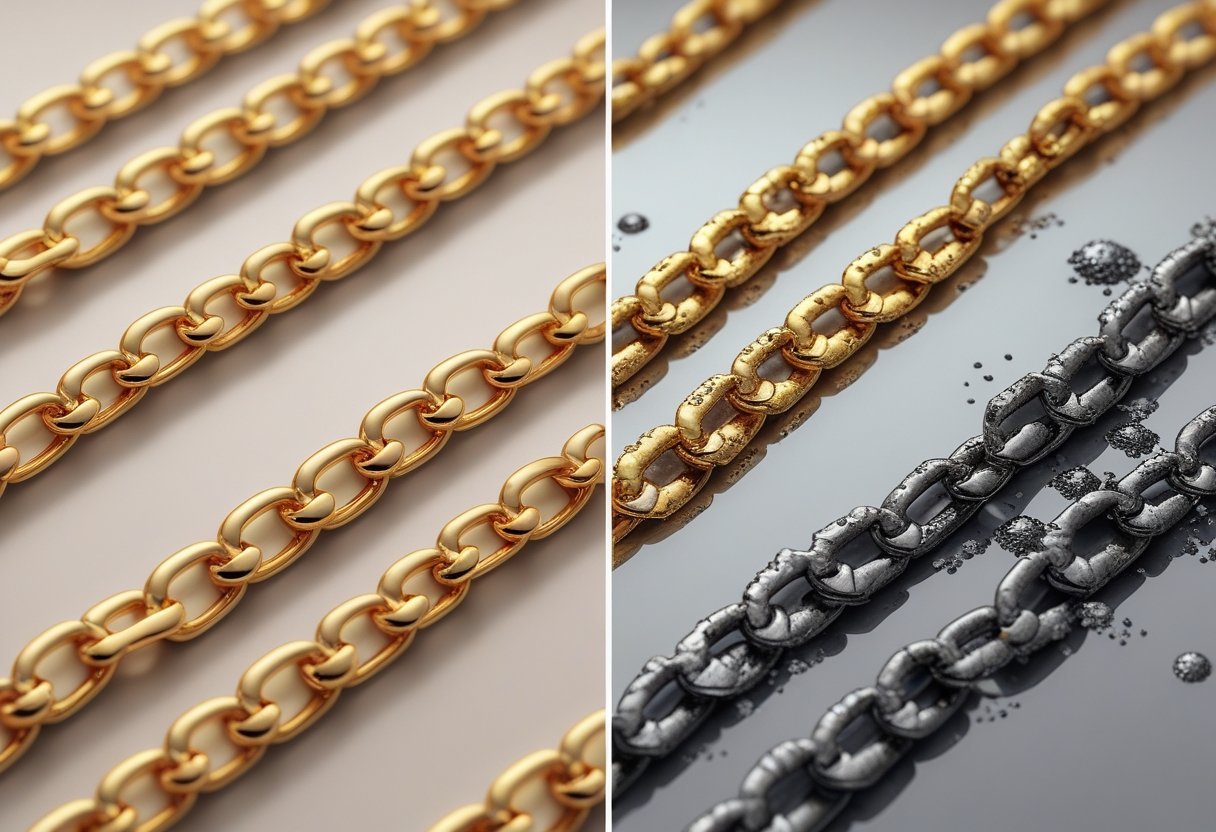
A durable gold chain typically resists tarnishing because it is made of higher karat gold or coated with protective layers that prevent oxidation and corrosion. This makes such chains ideal for everyday wear without frequent maintenance or polishing. Understanding why some chains tarnish and others don’t helps shoppers select jewelry that maintains its shine over time.
Non Tarnish Meaning in Jewelry
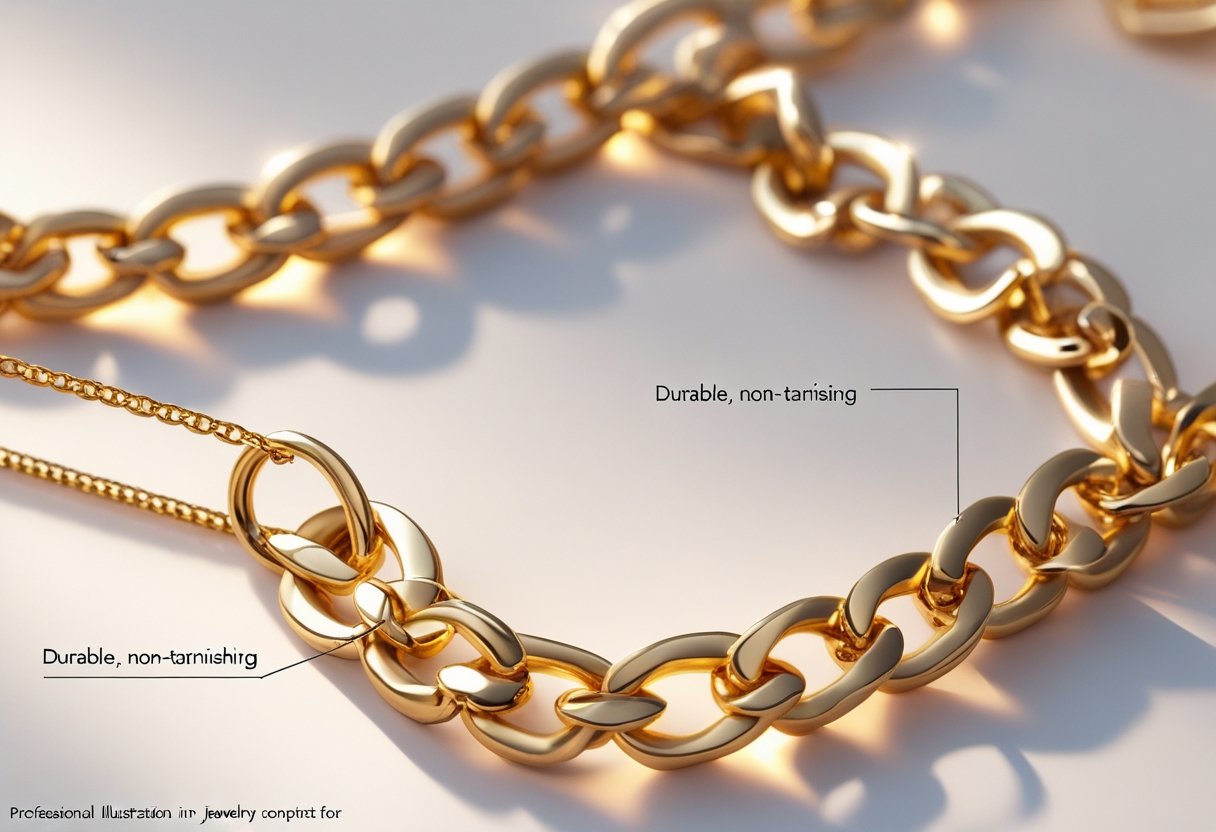
Non-tarnish jewelry is designed to resist discoloration and damage caused by environmental factors. Understanding how these pieces differ from traditional jewelry helps clarify why some chains and metals maintain their shine longer. Key classifications and terminology assist buyers in identifying true non-tarnish materials.
Definition of Non Tarnish
Non-tarnish jewelry refers to pieces that resist the chemical reactions causing dullness, discoloration, or corrosion over time. Tarnish typically forms when metals react with oxygen, moisture, sweat, or sulfur compounds, creating a dark or greenish layer on the surface.
The term applies to jewelry made from materials or treated with coatings that prevent these reactions. Common metals in non-tarnish collections include solid gold (14k and above), stainless steel, titanium, platinum, and rhodium-plated alloys. These materials maintain their appearance without frequent polishing or special care routines.
How Non Tarnish Jewelry Differs
Non-tarnish jewelry stands apart due to its composition or surface treatment. While sterling silver and brass tend to oxidize quickly, non-tarnish metals are either inherently resistant or protected by durable layers like rhodium plating.
This resistance translates into lower maintenance and longer-lasting shine. Unlike plated jewelry that can flake or fade, non-tarnish pieces maintain structural integrity during regular wear, including exposure to sweat and water. Hypoallergenic properties often accompany these qualities, making them suitable for sensitive skin.
Common Labels and Classifications
The jewelry market uses specific labels to identify non-tarnish characteristics:
| Label | Description |
|---|---|
| Stainless Steel | Affordable, corrosion-resistant, hypoallergenic |
| Gold-Filled | Thick gold layer bonded to base metal, durable |
| Solid Gold (≥14k) | High-purity gold, naturally tarnish-resistant |
| Titanium | Lightweight, strong, chemically inert |
| Platinum | Dense, precious metal with outstanding tarnish resistance |
| Rhodium-Plated | Protective coating enhancing shine and durability |
Buyers should check product descriptions carefully, as "non-tarnish" can sometimes be used loosely. Verified materials and trusted sellers provide better assurance of long-term performance.
Why Do Chains Tarnish?
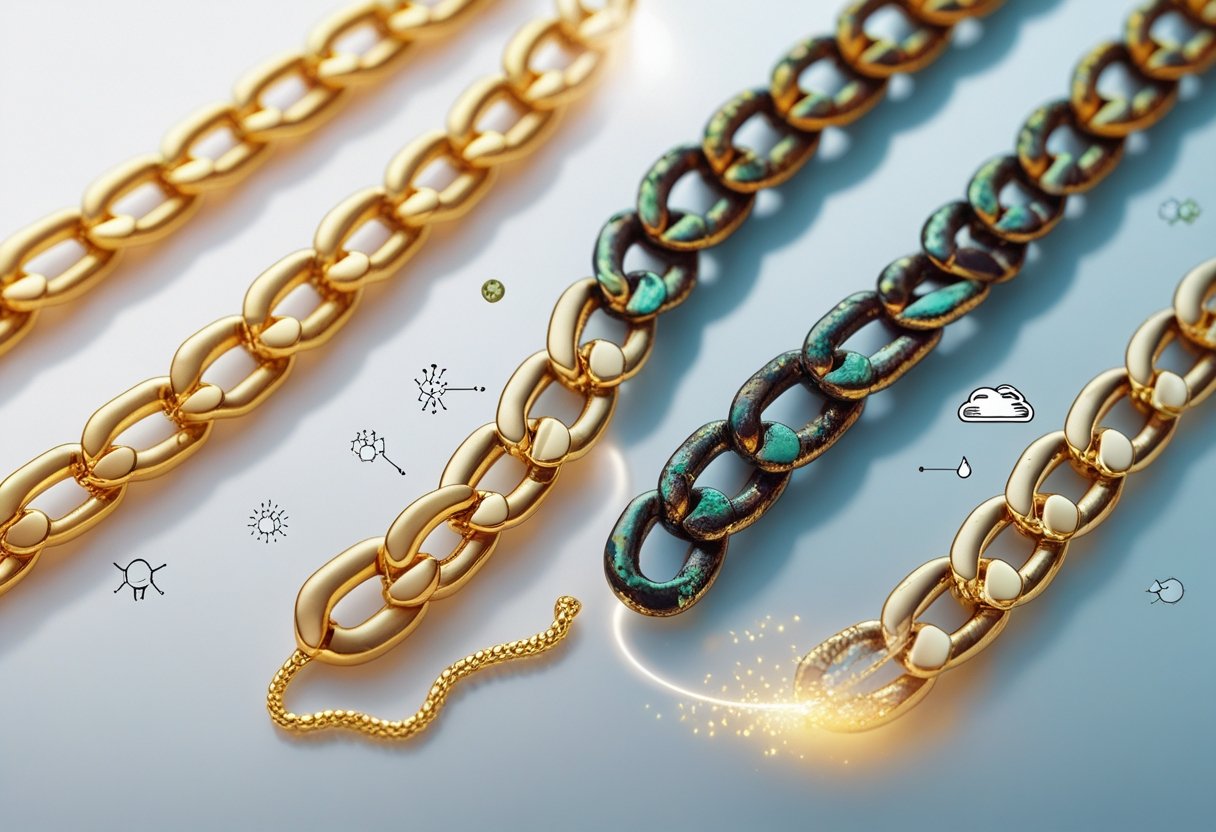
Tarnishing occurs through chemical reactions between metals and substances in their environment. The rate and extent of tarnish depend on factors like exposure to moisture, chemicals, and the specific metals used in the chain. Understanding these elements helps identify why some jewelry loses shine while others maintain it.
Chemical Reactions and Tarnish Formation
Tarnish is a surface corrosion caused mainly by oxidation. Metals such as silver and copper react with oxygen, sulfur, or other chemicals to form a thin, discolored layer on the chain's surface.
This layer reduces the metal’s shine and can vary from dullness to visible dark spots.
Pure gold does not tarnish because it is unreactive. However, alloys mixed with gold, such as copper or silver, undergo oxidation. This reaction causes the appearance of tarnishing, even though the gold itself remains unaffected.
Environmental and Lifestyle Factors
Exposure to moisture, air, and chemicals significantly influences tarnish development in chains.
Sweat, perfumes, lotions, and household cleaners contain substances like sulfur, chlorine, or acids that accelerate oxidation. Chlorine, especially from swimming pools or bleach, damages metals quickly.
Humidity also plays a role. High moisture levels enable the metal to react faster with oxygen, increasing tarnish risk. Storing jewelry in airtight containers with moisture absorbers can reduce this process.
Impact of Metal Composition
The metals comprising a chain directly affect its tarnish resistance. Pure metals such as 24-karat gold and platinum have high resistance because they do not readily oxidize.
Lower karat gold, containing alloys like copper or silver, tarnishes more due to those reactive metals. For example:
| Metal Type | Tarnish Resistance | Notes |
|---|---|---|
| 24K Gold (pure) | Very High | Doesn’t tarnish but is soft |
| 18K Gold | Moderate | Tarnishes slowly over time |
| 14K Gold | Lower | Contains more reactive metals |
| Silver | Low | Prone to tarnish with sulfur |
| Stainless Steel | High | Naturally tarnish-resistant |
Materials like stainless steel or rhodium plating provide durable shine by resisting oxidation better than traditional alloys. Chains made with these metals maintain their appearance longer.
Durable Gold Chain Options
Selecting a gold chain that retains its shine and withstands daily wear requires understanding the differences between purity, coatings, and layering methods. Various types offer distinct durability levels and resistance to tarnishing, which are key for long-lasting jewelry.
24K Gold and Solid Gold Chains
24K gold is pure gold, containing no alloys, making it highly resistant to tarnish and corrosion. However, it is also softer and more prone to bending or scratching, which affects durability for chains worn frequently.
Solid gold chains, typically 14K or 18K, mix gold with other metals like copper or silver to increase strength. These alloys can oxidize, causing some tarnishing over time, but overall, solid gold chains balance durability with the classic gold appearance. They maintain a long-lasting shine if properly cared for, making them a preferred choice for daily wear despite occasional tarnish risk.
Gold-Filled and PVD-Coated Chains
Gold-filled chains have a thick layer of gold mechanically bonded to a base metal, usually brass. This layer is at least 5% of the item’s total weight, providing significant durability and tarnish resistance compared to thinner gold-plated options.
PVD (Physical Vapor Deposition) coating applies a thin, hard gold layer using a modern vacuum process. PVD coatings enhance scratch resistance and reduce tarnishing considerably while offering a consistent gold finish. Although not as thick as gold-filled layers, PVD-coated chains are durable and affordable alternatives that retain shine well under normal wear.
Gold Plated and Vermeil Differences
Gold-plated jewelry involves a very thin gold layer over base metal, often less than 0.5 microns, which wears off relatively quickly, exposing the underlying metal and causing tarnish. This option is more affordable but less durable for long-term use.
Gold vermeil features a thicker gold layer (at least 2.5 microns) over sterling silver. This provides better resistance to tarnish and wear compared to standard plating. Vermeil chains combine the affordability of silver with the luxurious look of gold, maintaining a bright finish longer than gold-plated pieces. It’s suitable for those seeking value without sacrificing durability.
Top Non Tarnish Materials for Chains
Certain metals are favored for chains due to their strong resistance to tarnishing and ability to maintain shine over time. These metals combine durability and aesthetic appeal, making them practical choices for daily wear.
Stainless Steel Chains
Stainless steel is a popular choice for chains because it is highly resistant to corrosion and tarnishing. Its composition includes chromium, which forms a protective oxide layer on the surface, preventing oxidation. This makes stainless steel chains ideal for exposure to moisture and air without discoloring.
Additionally, stainless steel jewelry is durable and less prone to scratches compared to softer metals. It is also hypoallergenic, making it suitable for people with sensitive skin. The affordability and low maintenance of stainless steel chains contribute to their widespread use in both fashion and functional jewelry.
Titanium Chains
Titanium is another metal known for its excellent tarnish resistance and strength. It naturally forms a passive oxide layer, which protects it from rust and chemical reactions that cause tarnish. Titanium chains remain lustrous without frequent polishing or special care.
Despite being lightweight, titanium is very strong, providing durability in daily wear without feeling heavy. It is also biocompatible, making it suitable for individuals who may have allergic reactions to other metals. Titanium chains often come at a higher price point but are valued for their longevity and resistance to environmental damage.
Other Tarnish Resistant Alloys
Besides stainless steel and titanium, there are several alloys designed for improved tarnish resistance. Eco-brass, an environmentally friendly alloy, offers corrosion resistance and does not oxidize easily. It is often used in jewelry meant to avoid tarnishing while being hypoallergenic.
Some manufacturers use gold vermeil—a thick gold layer over sterling silver—to combine the luxurious appearance of gold with enhanced durability against tarnish. These alloys and coated metals create effective barriers against the sulfur and moisture that typically cause tarnish. Careful selection of alloys can offer jewelry that preserves its shine without excessive maintenance.
Popular Non Tarnish Chain Styles
Non tarnish chains come in various forms tailored for different uses and styles. Their durability and resistance to oxidation make them suitable for daily wear, versatile accessories, and trendy additions to jewelry collections.
Chain Designs for Everyday Wear
Everyday chains prioritize durability and comfort, often crafted from materials like stainless steel, titanium, and eco-brass. These metals resist corrosion and maintain their shine even with frequent exposure to air and moisture.
Popular designs include the Figaro chain, known for its alternating pattern of short and long links, and the classic cable chain, which features uniformly shaped oval links. Both designs balance style with toughness, making them ideal for frequent use.
Chains for everyday wear typically have thicker links or tighter weaves that reduce snagging and damage. They maintain appearance with minimal maintenance and often come with non-reactive coatings to prevent discoloration.
Bracelet and Necklace Varieties
Non tarnish bracelets and necklaces vary widely in style and function. Bracelets often feature sleek curb or herringbone chains, which lie flat against the skin and resist twisting that can cause damage.
Necklaces incorporate designs such as rope chains, which offer texture and strength, or box chains, recognized for their squared links that improve flexibility and durability.
Gold vermeil necklaces, which have thick gold plating over sterling silver, provide a tarnish-resistant option that combines luxury and longevity at a lower cost than solid gold.
When choosing, the base metal and thickness of the plating are crucial for durability. Stainless steel bases and coatings like rhodium help protect these pieces from tarnishing over time.
Trendy Earring Styles
Trendy earrings now include chain-linked designs that combine non tarnish metals with fashion-forward aesthetics. These earrings often use titanium or stainless steel for both hypoallergenic properties and long-lasting shine.
Popular styles include chain drop earrings that feature delicate links hanging from studs or hoops, combining movement with durability.
Huggie earrings designed with non tarnish materials sit close to the ear and resist tarnishing from sweat or environmental factors. These are popular for everyday wear as well as for adding subtle trend details to a collection.
The combination of lightweight materials and tarnish-resistant coatings ensures that earrings remain visually appealing without frequent cleaning or replacement.
Maintaining Long-Lasting Shine
Proper care is essential to keep non-tarnish chains looking bright and durable. Routine cleaning, careful storage, and avoiding common hazards help preserve the original shine and extend the life of the jewelry.
Cleaning Non Tarnish Jewelry
Non-tarnish jewelry requires gentle cleaning to maintain its shine without damaging protective coatings. Use mild soap mixed with warm water and a soft cloth or brush to remove dirt and oils.
Avoid abrasive cleaners and harsh chemicals, which can degrade materials like gold-filled or rhodium-plated surfaces. After washing, pat the jewelry dry with a clean, soft cloth to prevent water spots.
For stainless steel and titanium pieces, occasional polishing with a microfiber cloth is enough, as these metals are naturally resistant to tarnishing. Regular but gentle cleaning keeps chains looking fresh without extra effort.
Storage and Care Best Practices
Store non-tarnish chains in a dry, cool environment to reduce exposure to moisture, which can accelerate wear despite the jewelry’s resistance. Use individual soft pouches or lined jewelry boxes to prevent scratching and tangling.
Keep pieces away from direct sunlight and avoid storing them in humid places like bathrooms. Proper separation of items minimizes contact with other metals or materials that could cause minor abrasions or chemical reactions.
Labeling storage containers by material type can help users track which items require specific attention or cleaning methods, supporting long-term shine preservation.
Avoiding Common Damage
Even tarnish-resistant chains remain vulnerable to damage from chemical exposure and physical impact. Avoid contact with chlorine, perfumes, lotions, and household cleaning agents, as these substances can compromise coatings or alloy layers.
Remove chains before swimming, showering, or engaging in strenuous activities that produce sweat. Physical abrasion from rough surfaces or accidental pulling can weaken links or coatings.
Consistent care and cautious handling reduce the risk of fading and keep gold or coated chains durable for everyday wear, maintaining their value and aesthetic appeal over time.