


Stainless Steel Permanent Jewelry: Tarnish-Free Chains and Wholesale Waterproof Supplies for No Tarnish Gold Chains
Stainless steel permanent jewelry offers a durable and hygienic option for long-lasting pieces that resist tarnish and wear. These chains are made from 304 stainless steel, which is hypoallergenic and safe for sensitive skin. This makes stainless steel an ideal choice for jewelry makers looking for non-tarnish, waterproof materials that maintain their shine and integrity over time.
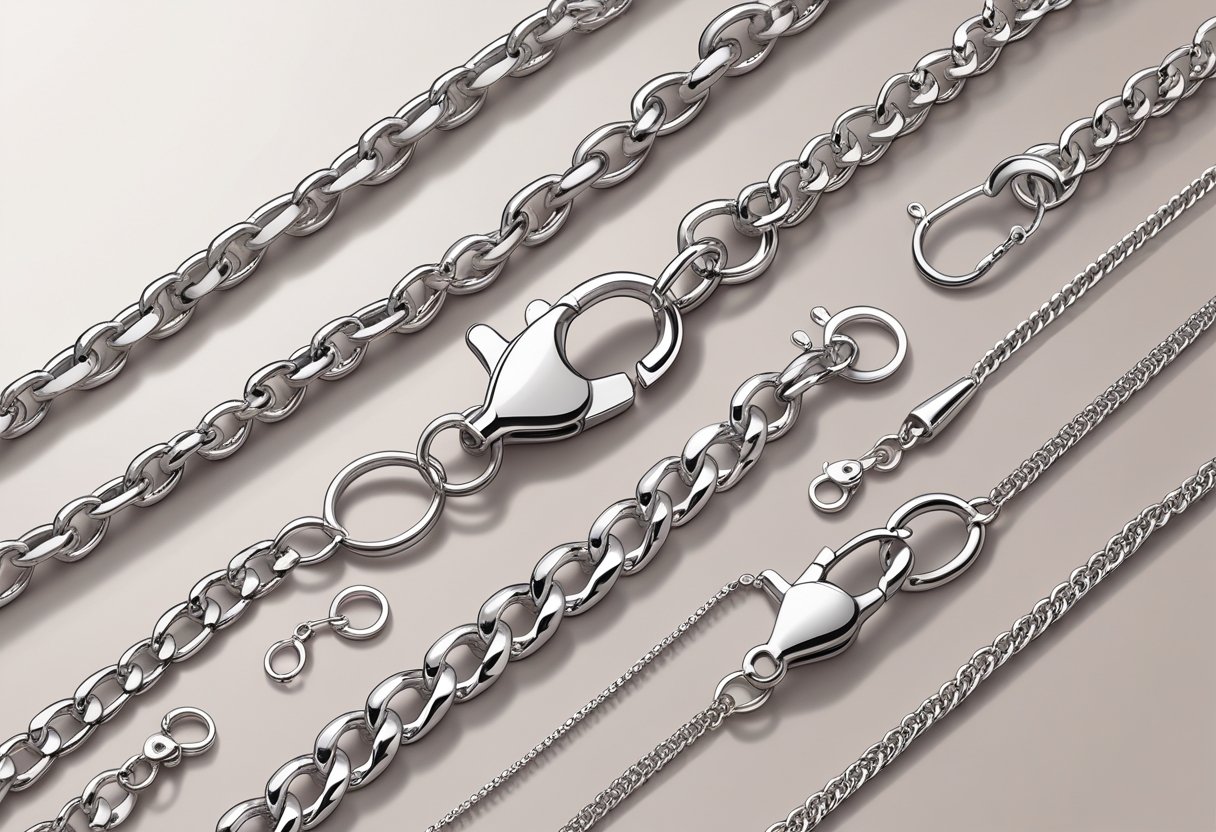
In the world of jewelry making, tarnish-free chains are crucial for creating pieces that stay beautiful without constant maintenance. Wholesale suppliers now provide a wide range of stainless steel chains, including gold-plated options that combine the look of precious metals with the practical benefits of stainless steel. These materials support efficient production while ensuring the jewelry remains resistant to discoloration from water, sweat, or exposure to air.
Using stainless steel and other non-tarnish jewelry making supplies allows designers and makers to craft pieces suited for everyday wear and active lifestyles. From DIY bracelets to permanent necklace styles, these chains offer reliability without compromising on aesthetics. This practical durability makes stainless steel a preferred option for both retail and wholesale jewelry markets.
Understanding Stainless Steel Permanent Jewelry
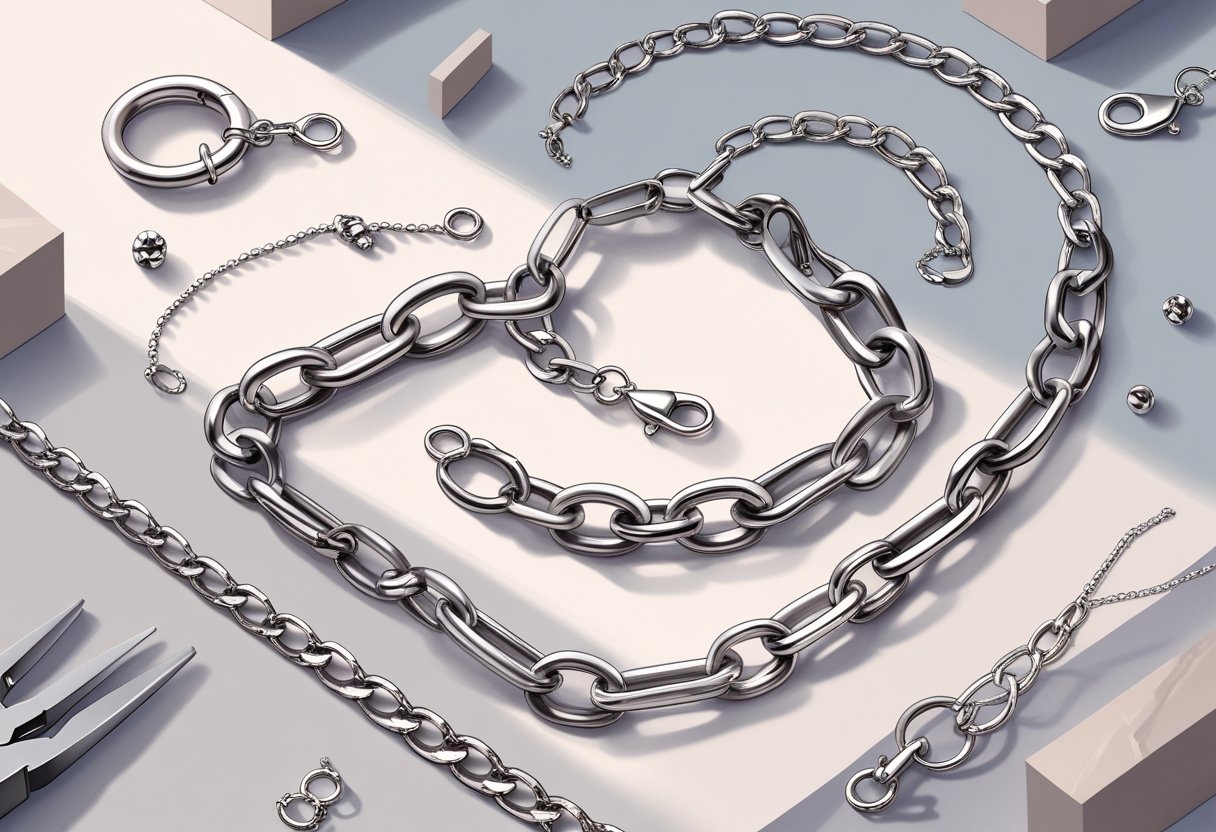
Stainless steel permanent jewelry is valued for its durability, resistance to tarnish, and suitability for everyday wear. Its composition offers specific benefits that make it a preferred choice for creating long-lasting, low-maintenance pieces.
What Is Stainless Steel Permanent Jewelry
Stainless steel permanent jewelry refers to pieces made entirely or primarily from stainless steel. It is typically created using micro-welding techniques, which bond the metal into a seamless, continuous chain or design. This process eliminates clasps, making the jewelry "permanent" until removed by a jeweler.
The metal itself is an alloy mainly composed of iron, chromium, and sometimes nickel. Its high chromium content forms a protective layer that guards against rust and corrosion. This makes stainless steel especially suitable for permanent jewelry worn daily, even in contact with water or sweat.
Benefits of Choosing Stainless Steel
Stainless steel offers several advantages for permanent jewelry. It resists tarnishing and rust, maintaining its shine with minimal upkeep. It does not react easily with skin oils or sweat, reducing the likelihood of irritation or allergic reactions.
It is also strong and scratch-resistant compared to softer metals. This durability helps the jewelry withstand the wear and tear of continuous daily use. Additionally, stainless steel is a cost-effective material that can mimic the appearance of precious metals without the higher price.
Popular Types of Permanent Jewelry
Permanent jewelry often includes bracelets, anklets, and necklaces made from stainless steel. These pieces are frequently fine chains micro-welded to fit precisely on the wearer. Some designs incorporate small charms or gemstones, adding personalized elements while retaining the metal's resilience.
Simple chain styles such as curb, box, or snake chains are common, chosen for their flexibility and strength. Stainless steel permanent jewelry is also available in various finishes, including polished, matte, or brushed surfaces, catering to different aesthetic preferences.
Tarnish Free Chains for Jewelry Making
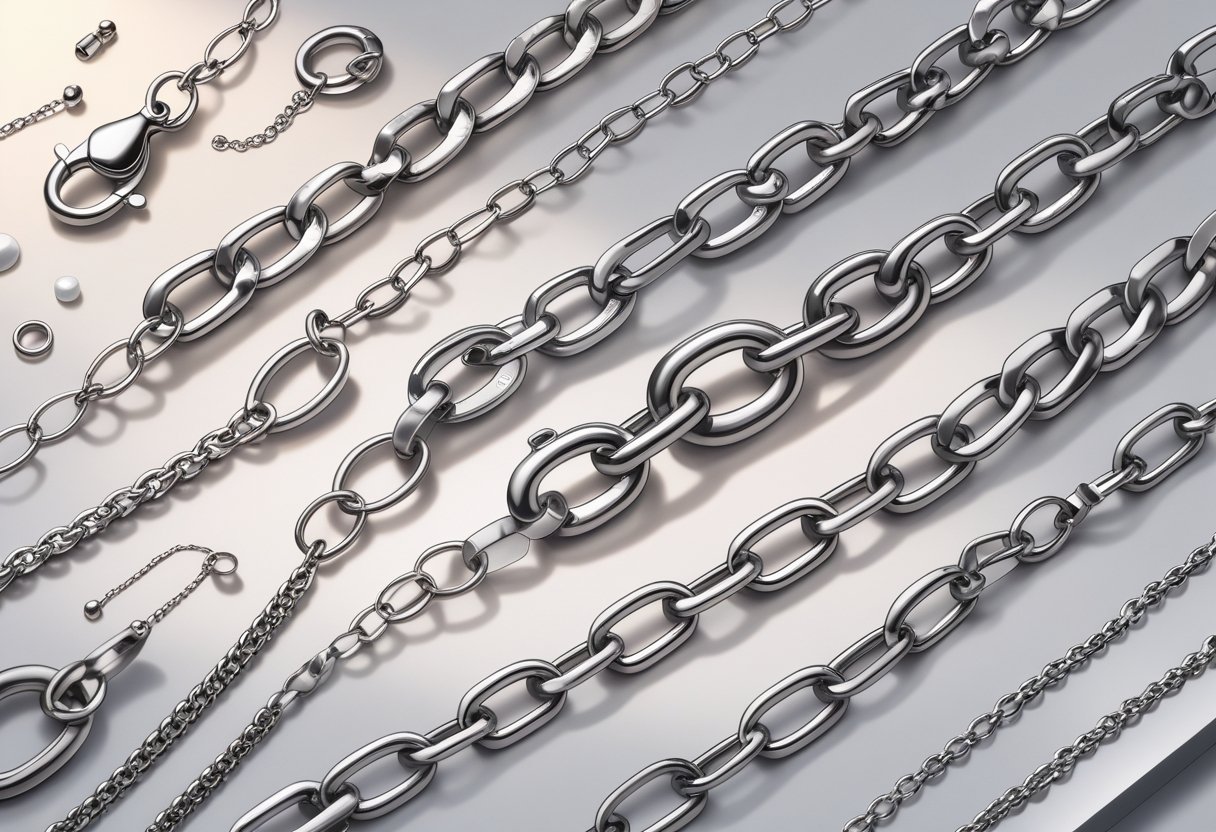
Tarnish free chains provide durability and consistent appearance, making them essential for quality jewelry. Their design, available styles, and practical uses influence their selection for various jewelry projects.
How Tarnish Free Chains Are Made
Tarnish-free chains are built on austenitic stainless steel — most often 304, sometimes 316L. Both rely on the same mechanism: chromium reacts with oxygen to form a self-healing passive layer that blocks tarnishing and rust. Our chains are 304.
Some chains also use gold plating or gold filling over stainless steel. These coatings are applied through electroplating or other precise methods to maintain durability while offering color variety.
Manufacturers avoid base metals like nickel or lead in these chains to ensure hypoallergenic properties. This is crucial for sensitive skin and prolongs wear without discoloration.
Choosing the Right Chain Styles
Chain styles vary by link size, shape, and finish, affecting flexibility and aesthetics. Popular styles include flat chains, cable chains, and curb chains.
Flat chains offer a smooth, sleek surface ideal for printing or adding charms. Curb chains are heavier with interlocking links, strong for statement pieces.
Finish options primarily include silver or 18k gold plating, both maintaining non-tarnish qualities. Choosing a style depends on desired durability, look, and the type of jewelry being created.
Applications in Custom Jewelry Projects
Tarnish free chains suit daily-wear pieces like bracelets, necklaces, and anklets. Their resistance to water and sweat makes them ideal for permanent or semi-permanent jewelry.
They are preferred in custom designs requiring skin-safe metals, especially when customers have allergies. The chains hold clasps and pendants securely for long-term use.
Using wholesale supplies allows jewelers to produce consistent, durable products that maintain appearance over time, even with exposure to moisture and daily wear.
Non-Tarnish Jewelry Making Supplies
Non-tarnish jewelry supplies focus on materials that resist corrosion, discoloration, and wear over time. These components ensure durability and maintain the appearance of finished pieces without frequent maintenance.
Essential Supplies for Lasting Jewelry
Key supplies include stainless steel chains, clasps, and findings made from 304 stainless steel. This material is strong, corrosion-resistant, and well tolerated by most people with metal sensitivities, meeting strict standards for durability and safety. Gold-plated stainless steel or gold-filled chains offer additional aesthetic appeal without sacrificing longevity.
Using components like jump rings, lobster clasps, and earring hooks crafted from non-tarnish metals ensures jewelry remains intact and visually consistent over extended use. These supplies support consistent quality, ideal for both personal projects and wholesale production.
Comparing Non-Tarnish vs. Traditional Materials
Non-tarnish metals differ from traditional sterling silver or base metals prone to oxidation and discoloration. Stainless steel and high-quality gold-filled materials maintain their finish without frequent polishing.
Traditional materials often develop patinas or rust due to moisture and air exposure. In contrast, non-tarnish metals feature natural corrosion resistance, reducing upkeep and extending wear.
Price points vary; stainless steel is generally more affordable than solid gold but offers greater durability than plated base metals. This balance suits both budget and quality preferences.
Caring for Non-Tarnish Components
Routine care for non-tarnish jewelry involves simple cleaning with mild soap and water. Avoiding harsh chemicals or abrasive cleaners preserves metal finishes.
Drying completely after exposure to moisture prevents potential water spots. Storage in dry, airtight containers limits contact with air and humidity, further protecting components.
Though less demanding than traditional metals, occasional inspection for wear or damage helps maintain structural integrity over time.
No Tarnish Gold Chain Options
No tarnish gold chains combine durability with lasting shine, making them ideal for jewelry projects requiring both beauty and resilience. Their composition and finishes influence performance. Choosing the right chain depends on factors like intended use, maintenance frequency, and budget.
Features of No Tarnish Gold Chains
No tarnish gold chains resist discoloration caused by exposure to air, moisture, and skin oils. They maintain luster without frequent polishing. Many use protective coatings such as 18K gold PVD (Physical Vapor Deposition) to enhance longevity.
Other features include corrosion resistance, hypoallergenic properties, and minimal color fading. Some chains come with clasps and jump rings pre-attached, facilitating easy assembly for jewelry making.
They are often waterproof and sweatproof, allowing wearers to use them during daily activities like showering or exercising without damage. Thickness can vary but generally ranges between 1.5mm to 3mm for balance between strength and elegance.
Materials Used in No Tarnish Gold Chains
Common materials include stainless steel with gold plating, pure gold alloys, and sometimes cobalt chrome or titanium. Stainless steel is popular for its base strength and affordability when plated with 18K or 14K gold.
Gold plating techniques like PVD create a dense, wear-resistant coating that does not flake or fade quickly. Solid gold chains naturally resist tarnishing but cost significantly more.
Other materials such as sterling silver or tungsten are alternatives but require different care levels. Chains labeled "non-tarnish" often rely on the quality and thickness of their gold layer and the base metal's resistance to oxidation.
Selecting the Best Chain for Your Project
When selecting a no tarnish gold chain, consider the project’s end use and target customer preferences. Heavier chains are suited for permanence and durability; delicate chains fit minimalist and layered designs.
Evaluate maintenance requirements. Some coated chains require occasional gentle cleaning to keep the shine. Check whether the chain is waterproof and sweatproof to confirm suitability for everyday wear.
Cost and availability in wholesale quantities are key if producing multiple pieces. Chains offering ease of use, such as those pre-equipped with clasps or jump rings, save time during assembly.
Prioritize material compatibility with skin sensitivities. Stainless steel gold-plated chains combine affordability with longevity, making them a common choice for permanent and waterproof jewelry.
Wholesale Waterproof Jewelry Sourcing
Sourcing wholesale waterproof jewelry requires attention to supplier reliability, product quality, and current market trends. Buyers focus on stainless steel or gold-plated pieces that resist tarnish and withstand exposure to water. Understanding certifications and design preferences helps in selecting suitable inventory.
How to Find Reliable Wholesale Suppliers
Reliable suppliers often provide clear minimum order quantities, transparent pricing, and verified customer reviews. They specialize in materials like 304 stainless steel or 18K gold PVD plating, known for durability and waterproof properties. Free samples or small trial orders can verify product quality before bulk purchasing.
Industry certifications such as ISO and BSCI indicate adherence to manufacturing and labor standards, enhancing supplier credibility. Online platforms and trade shows dedicated to jewelry manufacturing offer direct connections to vetted suppliers. Communication responsiveness and after-sales support are also key reliability factors.
Evaluating Quality and Certifications
Quality in waterproof jewelry centers on material composition and coating techniques. 304 stainless steel and PVD (Physical Vapor Deposition) coatings provide corrosion resistance and long-term tarnish protection. Ion plating is commonly used to ensure gold-colored pieces maintain appearance under water exposure.
Certifications like ISO 9001 (quality management) and BSCI (ethical sourcing) signal trustworthy production. These certifications ensure stainless steel parts meet standards for toughness and non-deformation. Checking if suppliers perform rigorous testing on waterproof and anti-tarnish claims is essential.
Trends in Waterproof Jewelry Design
Current waterproof jewelry trends focus on minimalist, durable pieces suitable for everyday wear. Thin chains in gold or silver tones using non-tarnish materials remain popular. Many designs incorporate cubic zirconia crystals for added sparkle without compromising water resistance.
Brands increasingly offer permanent or semi-permanent styles, such as seamless chains or welded links, to enhance durability. Customizable options with plating and engraving are also in demand. Sustainable manufacturing and environmentally friendly materials are influencing design choices as well.
Advantages of Tarnish Free and Waterproof Jewelry
Tarnish-free and waterproof jewelry offers significant benefits for both makers and wearers. It maintains its appearance over time without the need for frequent cleaning or special care, ensuring a polished look.
Durability is a key advantage. Such jewelry resists corrosion, fading, and discoloration even when exposed to water, sweat, or humidity. This makes it ideal for daily wear and active lifestyles.
For jewelry makers, using non-tarnish chains and supplies reduces the risk of customer complaints about product quality. It also minimizes the need for returns or repairs, enhancing brand reputation.
| Advantage | Benefit |
|---|---|
| Tarnish Resistance | Long-lasting shine and color |
| Waterproof Properties | Safe to wear during water exposure |
| Low Maintenance | Saves time and effort for users |
| Cost-Effective | Limits replacement and repairs |
Waterproof jewelry, especially those with protective coatings like PVD, prevents damage from moisture. This not only ensures longevity but also preserves finishes, such as gold-plated or stainless steel layers.
Using tarnish-free and waterproof materials also supports eco-friendly practices, as items don’t require harsh cleaning chemicals. This benefits makers and consumers interested in sustainability.
In sum, tarnish-free and waterproof jewelry combines practicality with aesthetic value, making it a preferred choice for reliable, attractive accessories.
Best Practices for Jewelry Maintenance
Jewelry made from stainless steel and other non-tarnish materials requires regular care to maintain its appearance. Proper cleaning and storage are essential to prevent dullness and surface damage.
To clean stainless steel and gold chains, use a mild soap with warm water and a soft cloth. Avoid harsh chemicals or abrasive materials that can scratch or wear down the finish.
Storing jewelry properly helps reduce exposure to moisture and air, which can cause oxidation. Using anti-tarnish strips or sealing pieces in airtight containers offers extra protection.
Key maintenance tips include:
- Remove jewelry before swimming or showering, even if it is waterproof.
- Avoid exposure to perfumes, lotions, or other chemicals.
- Clean jewelry gently on a regular basis.
- Store pieces separately to prevent scratching.
These simple practices will prolong the life of permanent and waterproof jewelry, ensuring chains and other components remain tarnish-free for longer. Regular inspection for wear and timely cleaning support durability and consistent shine.
Future Trends in Tarnish Resistant Jewelry
The demand for tarnish-resistant jewelry continues to grow, driven by consumers seeking low-maintenance, long-lasting pieces. Materials like 304 stainless steel are increasingly popular due to high corrosion resistance and durability. This grade of stainless steel offers qualities suitable for everyday wear, especially in permanent jewelry designs.
Advancements in coating technologies are also shaping the future. Jewelry manufacturers now use advanced anti-tarnish coatings that enhance metal longevity without compromising appearance. These coatings protect against environmental factors such as moisture, sweat, and chemicals, extending the life of gold and stainless steel chains.
Waterproof jewelry is another emerging trend. Wholesale suppliers are focusing on waterproof options that maintain shine and integrity even when exposed to water regularly. This feature is especially important for permanent or semi-permanent pieces worn continuously.
The future will likely see an increase in hybrid materials that combine the toughness of stainless steel with the luxury of precious metals, all engineered to resist tarnishing. Brands are investing in research to develop alloys that require minimal care while providing a premium look.
Key features expected in upcoming tarnish-resistant jewelry include:
- Enhanced chromium content for better oxidation resistance
- More widespread use of hypoallergenic metals like surgical steel
- Innovation in plating techniques to prevent flaking and discoloration
- Greater focus on sustainable and recyclable materials
These trends respond directly to consumer needs for durability, aesthetics, and ease of maintenance in permanent and everyday jewelry pieces.