


Styles of Chains for Necklaces: Complete Guide to Chain Types
When you’re shopping for chains for necklaces or bracelets, you’ll quickly notice just how many styles and link types are out there. From classics like cable, curb, and rope chains to intricate ones like Byzantine and Figaro, knowing the differences can really make life easier—especially if you’re a DIY jewelry maker or retailer.
Getting familiar with the names and characteristics of these chain types is a must if you want to match your style and functional needs.
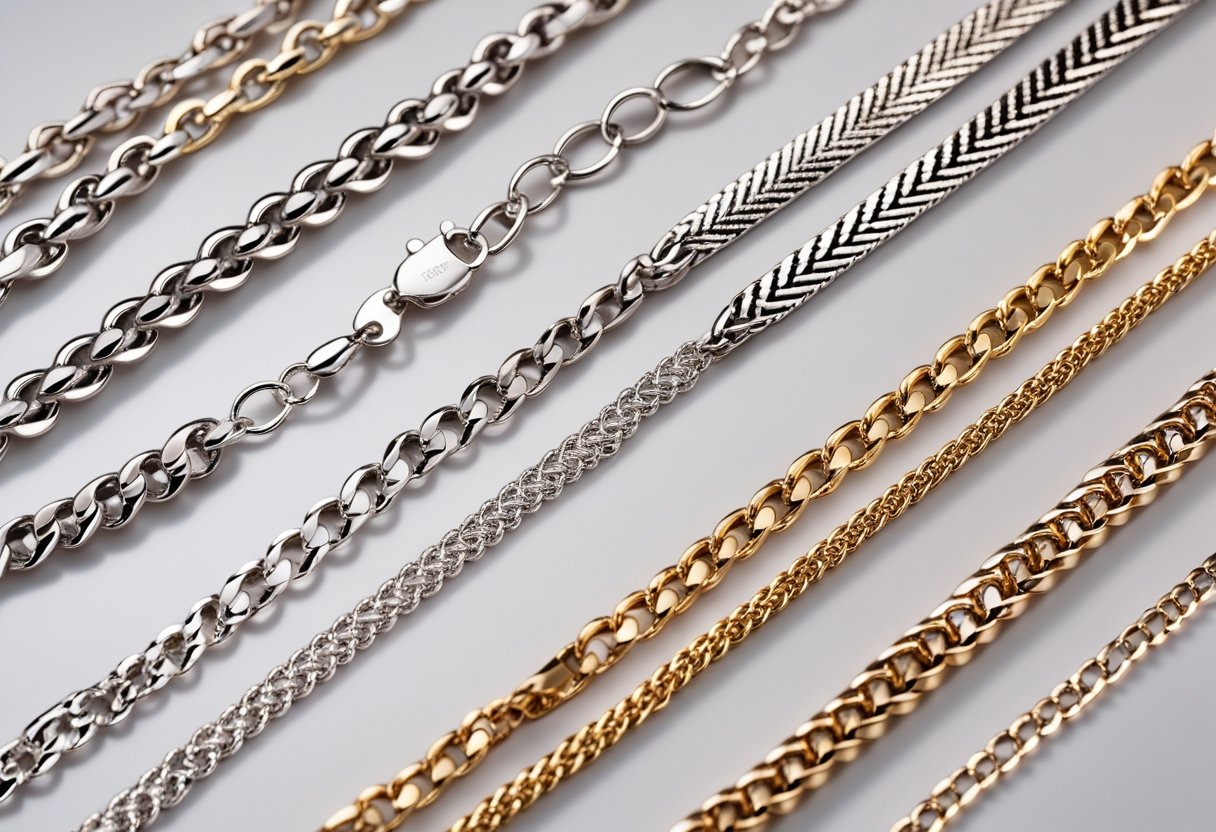
Stainless steel chains and bulk chains for jewelry making are go-to picks for anyone who wants durability without breaking the bank. Wholesale chain suppliers usually have a massive variety, from dainty bracelet links to chunky necklace chains.
Each chain type has its own vibe and purpose, whether you’re layering, making a statement, or just need something sturdy for a pendant.
Exploring the different types of chain links is a game-changer for your designs. It’s not just about looks—link shapes and construction affect how a chain feels, how strong it is, and even how it moves.
If you’re into jewelry design or buying wholesale chain, knowing these details means you’ll end up with pieces that last and look great.
Overview of Chain Styles for Necklaces
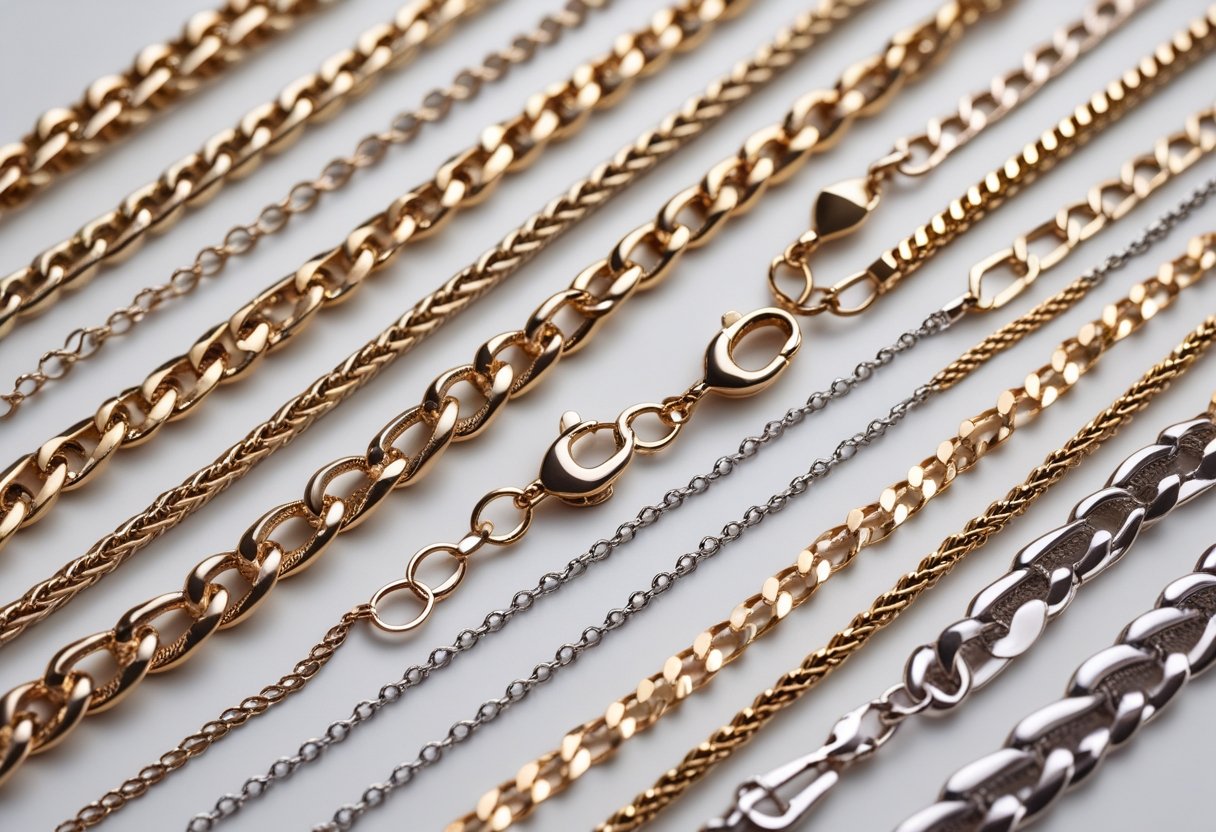
Chains come in all kinds of designs, structures, and functions. This influences how they’re used in jewelry and what kind of statement they make. If you know what sets chain styles apart, you’ll have an easier time picking out the right necklace or bracelet chain for your next project.
Defining Chain Styles and Links
Chain styles are all about the shape, size, and arrangement of the links. Each link is a tiny piece, but together they create the whole chain. You’ll see oval, round, square, and even twisted links out there.
The way links are connected changes everything—some chains are super flexible, others are stiff and bold. Cable and curb chains keep things simple with uniform links, while Figaro mixes it up with different link sizes for more texture.
Material matters too. Stainless steel, gold, and other metals all change the chain’s look and how tough it is. Chains can be solid, hollow, flat, or rounded, which affects weight and comfort. If you’re buying from bulk chain suppliers, it’s worth knowing these details.
History and Popularity of Chains
Chains have been around for thousands of years—pretty wild to think about. Early versions were hand-forged, mostly for function or as a status symbol. As metalworking improved, so did the designs.
Some chains, like the rope chain, have stuck around for ages because they’re both sturdy and decorative. The herringbone and snake chains brought in flatter, sleeker looks that really took off in modern jewelry.
Trends come and go, but you’ll always see classics like curb, cable, and Figaro chains. They’re reliable, versatile, and great for holding pendants.
Categorizing Necklace Chain Designs
Most chains fit into a handful of main categories based on how their links are made and arranged:
- Link Chains: Think cable, curb, and rolo chains. These have uniform or alternating shapes in their links.
- Woven or Braided Chains: Like the Singapore or wheat chain, where links are woven tightly for texture and density.
- Flat Chains: Herringbone and omega chains are the big names here—smooth, flat, and snug against the skin.
- Decorative and Textured Chains: Popcorn or ball chains use unique link shapes to stand out.
This breakdown makes it easier to spot what’ll work for your jewelry project. If you’re looking at bulk chains for jewelry making, knowing these categories helps you buy smart. Want to dig deeper? Check out our guide to different types of jewelry chains for more details.
Classic Types of Necklace Chains
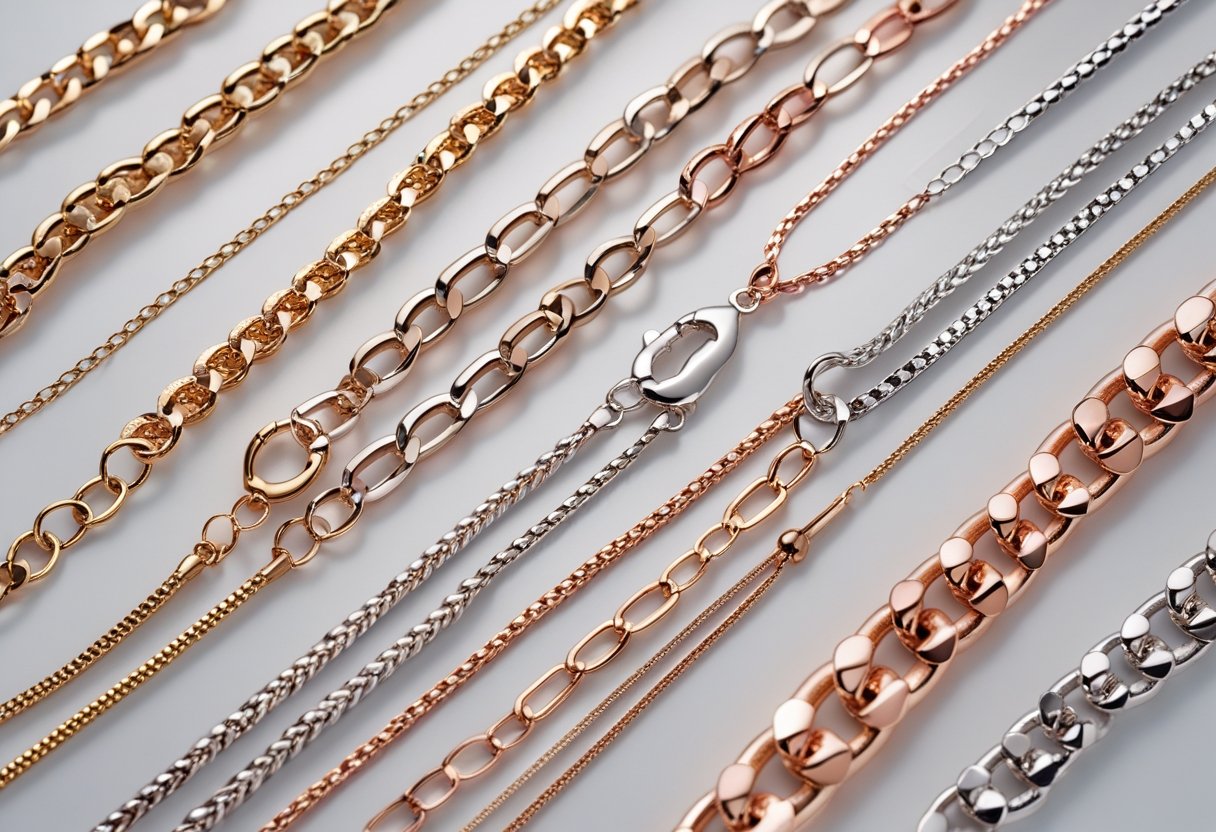
Classic necklace chains have stood the test of time. They’re durable, flexible, and just look good—no matter if you’re dressing up or keeping it casual. Each style brings something unique to the table, from simplicity to intricate patterns.
Cable Chain
The cable chain is the bread and butter of jewelry chains. It’s made from uniform round or oval links all connected in a simple, continuous pattern. Straightforward, but it works with just about everything.
It’s tough, flexible, and can be worn alone or with a pendant. The even links give it a clean, tidy look that never feels out of place.
Cable chains come in stainless steel, gold, or silver. They’re strong enough for everyday wear and don’t break easily, which is a big plus.
Box Chain and Venetian Chain
Box chains—sometimes called Venetian chains—are made from square or rectangular links. This gives them a smooth, sleek surface and a modern vibe.
The geometric design is sturdy and less likely to tangle compared to round link chains. Plus, the flat edges catch the light nicely, adding a bit of shine without being over the top.
Box chains are a favorite for heavier pendants. They’re strong but still look refined, making them a hit in both men’s and women’s jewelry.
Rope Chain
Rope chains are made by twisting or braiding small links in two strands that spiral around each other. The result? A chain that looks like, well, a rope—textured and eye-catching.
These chains are flexible and feel pretty substantial. They’re a top pick for bold or statement jewelry and can really catch the light for a shimmering effect.
Rope chains are tough enough for heavier pendants. If you want something that’ll stand out and last, this is a solid option.
Curb Chain and Cuban Chain
Curb chains use flat, interlocking links that are twisted just enough to lie flat against your skin. It’s a classic look—polished, robust, and flexible.
The Cuban chain is like the curb chain’s heavyweight cousin. It has thicker, more tightly woven links and rounded edges, making it especially popular in men’s jewelry.
Both styles are durable and comfortable, perfect for wearing alone or with a pendant. Their timeless design means they’re always in style.
Distinctive and Modern Necklace Chain Styles
Modern chains bring something new to the table. They mix unique link patterns with practical durability, letting you play with style while still getting reliable wear. There’s a style here for just about every taste.
Figaro Chain
The Figaro chain stands out with its pattern: two or three small round links, then one long oval link. This contrast gives the chain a dynamic, textured look that’s hard to ignore.
Usually made from gold, silver, or stainless steel, Figaro chains are durable and look great solo or with a pendant. They’re a favorite for anyone who wants something that’s both classic and a little bold.
The open link pattern also makes cleaning a breeze—always a bonus. Figaro chains are popular with both men and women for their versatility.
Singapore Chain
Singapore chains are twisted and braided, giving them a subtle sparkle when they catch the light. The flattened, gently twisted links feel smooth and comfortable on the skin.
They’re tough, resist kinking, and work well for everyday wear. If you’re looking for something elegant but not too flashy, this chain’s a winner.
Singapore chains are usually sterling silver or gold, making them a solid pick for those who want both form and function in a delicate style.
Wheat Chain and Spiga Chain
Wheat and Spiga chains look woven or braided, made from interlocking oval or diamond-shaped links. The result is a sleek, flexible chain with a soft shimmer.
Spiga chains tend to have tighter, more pronounced links that look a bit like wheat stalks. Both are durable and can handle pendants, but they also look great on their own.
They’re popular in both men’s and women’s jewelry for their subtle shine and smooth feel.
Paperclip Chain
The Paperclip chain is pretty much what it sounds like—elongated, rectangular links that look like office paperclips. It’s simple, modern, and just a little bit edgy.
Minimalists love this chain. It’s lightweight, flexible, and works with everything from jeans to a little black dress. Stainless steel, gold, or silver versions all look sharp.
Because of its open design, it’s great for layering or adding pendants. If you want a chain that’s both trendy and versatile, this is it.
Specialty and Decorative Chain Varieties
Some chains are all about the wow factor. With intricate links and bold textures, these styles are perfect for statement necklaces or refined, standout pieces. They bring something special in terms of durability, flexibility, and visual impact.
Byzantine Chain
The Byzantine chain is famous for its complex, woven look. Interlocking oval links create a textured, flexible chain that drapes beautifully around the neck.
It’s often worn on its own because the pattern is just that interesting. The Byzantine chain feels substantial and luxurious, but it does need a little extra care to keep it looking its best.
Omega Chain
Omega chains are made from flattened, connected metal segments, creating a smooth, almost solid surface. They’re semi-rigid, so they sit flat like a collar or choker and hold their shape well.
Usually found in 16- and 20-inch lengths, Omega chains are perfect for showcasing pendants or making a statement by themselves. They’re not the most flexible, but the polished look is hard to beat for formal occasions.
San Marco Chain
San Marco chains use tubular, semi-circular links that are flat on the back and twisted on the front. This gives them a rope-like texture that’s bold but still comfortable to wear.
They’re hefty, durable, and chosen for their distinctive look and fine craftsmanship. Repairs can be tricky, though, so it’s worth having a pro handle any fixes.
- Want to see more? Browse our chain collections to find your perfect match.
- Need help planning your next design? Try the bead count estimator for quick, easy project prep.
Ready to level up your jewelry projects? Explore our full range of bulk chains for jewelry making and discover the perfect styles for your next creation. Whether you’re a hobbyist or retailer, Continental Bead Suppliers has you covered with quality, variety, and inspiration. Don’t forget to check out our blog for more tips and ideas!
Popcorn Chain and Popcorn Chains
Popcorn chains stand out for their round, hollow, cup-shaped, or flat links, all connected in a tubular pattern. This gives them a big, eye-catching profile, yet they’re surprisingly lightweight and comfortable.
Their textured, bubbly surface plays with light in a way that smoother chains just can’t match. Popcorn chains are tough to tangle and bring a playful, modern vibe to jewelry. They move with you, so they’re great for anyone who likes a little fun in their style.
Link Chains and Their Unique Types
Link chains are at the heart of so many necklace and bracelet designs. Their look and feel depend on the shape of each link and how they’re connected—some are classic and simple, others have patterns that steal the show or set off pendants perfectly.
Link Chain
This is the chain most people picture: oval or round links, all the same size, connected in an endless loop.
Simple, reliable, and tough—link chains work with all kinds of metals, especially stainless steel. They’re a staple for anyone buying in bulk or looking for wholesale jewelry chains.
They’re easy to fix if they break, and their no-fuss design is perfect for layering or everyday wear. Can’t really go wrong with these.
Rolo Chain
The rolo chain looks a lot like a basic link chain but with chunkier, round links that are all the same size. Both sides of each link are rounded, which gives the chain a soft, balanced look.
That extra heft adds strength but doesn’t make it stiff. Rolo chains are great for necklaces and bracelets—especially if you want to hang a pendant. You’ll spot them a lot in stainless steel chain collections because they’re both elegant and tough enough for daily wear.
Anchor Chain and Mariner Chain
The anchor chain, or mariner chain, is made with oval links, each one split by a bar right through the center. That bar? It’s what sets this style apart, giving it structure and a bit of nautical flair.
Inspired by the chains used to anchor ships, it’s all about strength. Mariner chains lie flat and don’t twist much, so they’re comfortable and stay put. They work for both dainty and bold jewelry, and you’ll see them a lot in men’s styles too.
Panther Chain and Infinity Chain
Panther chains are rows of rectangular or square links, stacked in a staggered way for a layered effect. This gives the chain some depth and a slightly raised feel—it’s substantial, but not rigid.
The infinity chain is a bit less common. Its links interlock in endless loops, kind of like the infinity symbol. It’s a nice touch for anyone who loves a bit of symbolism in their jewelry.
Both of these are perfect if you want texture and a statement look. They’re usually made from high-quality metals, so they shine and last.
Bracelet Chain Types and Link Styles
Bracelet chains come in tons of designs, each with its own vibe and purpose. The link style you pick changes how flexible, sturdy, or charm-friendly your bracelet is. Some are made for stacking, others are bold enough to stand alone.
Charm Bracelet Chains
Charm bracelet chains are all about holding onto those little charms you collect. They use sturdy, evenly spaced links to keep charms from sliding all over the place.
Cable and rolo links are favorites here—they’re strong and simple. The links are usually a bit larger, making it easy to add or swap out charms. Materials range from gold and silver to stainless steel, so you can pick based on both look and durability.
Bracelet Link Types
Bracelet links come in all shapes and sizes, and the type you choose really changes the look. Some popular link types:
- Cable links: Classic ovals or rounds, super versatile and tough.
- Curb links: Flattened and twisted for a smooth, modern feel.
- Box links: Square and sturdy, if you like a more geometric style.
Link thickness and size matter for comfort and weight. Pick a style that fits your design and how you’ll wear it—everyday, special events, or as a base for charms.
Double Link Chain
Double link chains have two rows of small links running side by side. This gives them extra strength and a cool, layered look.
They’re thicker and tougher than single-row chains—great for heavier charms or pendants. The tight weave means they’re not super flexible, but they hold up to daily wear. If you want a bracelet that lasts, this might be your go-to.
Bar Chain
Bar chains mix rods or bars with small rings, creating a pattern that alternates between the two. The bars can be smooth or textured, and they’re usually solid, which adds a bit of structure.
It’s a modern, maybe even industrial look. Bar chains aren’t as flexible as some, but they’re comfortable enough. They look great on their own or with charms that match their linear vibe. If you like geometric patterns, definitely check these out.
Material Choices: Stainless Steel and Other Options
The material you choose for necklace and bracelet chains changes everything—durability, shine, and how much work it takes to keep your jewelry looking good. Each option has its own perks and quirks.
Stainless Steel Chains
Stainless steel chains are big in the jewelry world for a reason: they’re strong, don’t tarnish, and won’t break the bank. Usually made from 304 or 316 stainless, they handle moisture and daily wear like champs.
They keep their shine with almost no effort, and they’re tougher than silver when it comes to scratches. Plus, they’re hypoallergenic, which is a relief for anyone with sensitive skin.
If you’re making jewelry, stainless steel chains come in bulk and all sorts of styles—box, cable, you name it. For anyone who wants low-maintenance, long-lasting pieces, stainless steel chains and findings are a solid choice, whether you’re shopping for yourself or for retail.
Other Common Metals for Chains
Gold, silver, and platinum are still favorites for their classic looks and status. Gold comes in yellow, white, and rose—each with its own vibe—but it does need regular polishing to stay bright.
Silver is affordable and super shiny, but it can tarnish unless it’s plated or alloyed. Platinum’s pricey, but it’s crazy durable and hypoallergenic, so it’s a top pick for luxury pieces.
Brass and titanium show up too. Brass has a vintage feel but can tarnish over time, while titanium is strong and light, though not as common in fancy chain designs.
Chain Durability and Maintenance
How tough a chain is depends on both the material and style. Chains like Cuban Link, Franco, and box chains are strong because their links are tightly connected—less risk of breaking or kinking.
Maintenance is different for each: stainless steel just needs a quick wash with soap and water. Gold and silver need more TLC—polishing and keeping them away from harsh stuff.
Storing chains away from moisture and sunlight helps them last, and checking clasps and links regularly is just smart, especially if you’re hanging something valuable from them.
For daily wear and reliable jewelry making, quality stainless steel chains are hard to beat. They hit that sweet spot between strength and easy care. Want to see options? Check out stainless steel chains for jewelry making and find something that fits your needs.
Bulk and Wholesale Chain for Jewelry Making
Finding the right supplier for chains can make or break your jewelry projects. The best sources offer lots of metal options, sizes, and styles, plus bulk pricing so you can keep your costs in check.
Bulk Chains for Jewelry Making
Bulk chains are sold by the foot, spool, or inch, so you can buy exactly what you need for multiple pieces. Materials like stainless steel, sterling silver, gold plated, brass, and copper are all common.
Popular styles for bulk orders include cable, rolo, curb, Figaro, box, ball, and snake chains. There’s something for every design, from delicate to bold.
Bulk buying usually means you can have chains cut to your specs and get discounts for larger quantities. It works for everyone—from solo makers to big manufacturers.
Wholesale Jewelry Chains
Wholesale chains are all about variety and price breaks for businesses or anyone buying in volume. Suppliers stock stainless steel, sterling silver, gold plated, antique brass, and more.
You’ll find spools, pre-cut lengths, or finished necklaces, so it’s easy to match your product line. Most chains meet standards for strength and hypoallergenic properties, especially if they’re 304L stainless steel.
Wholesale options include rope, curb, ball, and snake links, so you’ve got plenty of styles to choose from. The right supplier means you get quality chains for retail or custom work, every time.
Chain Suppliers and Sourcing
Good suppliers keep a wide range of chain styles, metals, and finishes on hand. Many ship worldwide, so you can get materials like surgical stainless steel, rhodium-plated, rose gold plate, even semi-precious stone chains.
They offer flexible buying—cut-to-order lengths, bulk spools, whatever fits your workflow. Whether you’re a small artisan or a big operation, they’ve got you covered.
Quality control and clear product info are key, so you can pick chains that match your design, whether you need hypoallergenic or extra-strong options. Building a relationship with a reliable supplier just makes life easier for any jewelry maker.
How to Choose the Right Chain Style
Picking the perfect chain isn’t always straightforward. You’ve got to balance style, length, and what you want the necklace or bracelet to do. It’s worth thinking about how the chain will work with pendants, layering, or just on its own.
Selecting Chain Styles for Necklaces and Bracelets
Start with how you’ll use it. For necklaces, chunky chains like Cuban or rope make a statement. Lighter chains—think cable or box—are better for pendants or layering.
When it comes to bracelets, durability is king. Styles like snake or wheat chains are less likely to kink or break. Some styles, like mariner and Figaro, are timeless and work for anyone, while ball chains give off a more casual vibe.
The metal and whether the links are flat or rounded change how the chain feels and looks. Flat links, like those on Cuban and mariner chains, sit nicely against the skin.
Considering Chain Lengths
Chain length totally changes both comfort and style. Most necklaces run 18 to 24 inches—18 inches sits at the collarbone, which is great for layering or small pendants.
Longer chains (20 to 24 inches) hang lower, so they’re good for bigger pendants or a relaxed look. Go even longer, like 26 to 36 inches, and you’re in statement territory or perfect for layering.
Bracelets usually range from 7 to 9 inches, but you’ll want to adjust for wrist size. Getting the right length helps the chain sit just right and puts pendants or charms exactly where you want them.
Ready to get started? Browse our full chain collection for DIY jewelry makers and retailers. Don’t forget to try the bead count estimator to plan your next project down to the last detail. Whether you’re stocking up or just experimenting, we’ve got the chain styles and materials you need for your next masterpiece.
Functionality vs. Aesthetic
Picking out a chain? It's always a bit of a dance between how tough you need it and how good you want it to look.
Chains with wider, solid links—think Cuban or Franco styles—are built to last and handle daily wear without much fuss.
On the flip side, thinner chains or those intricate weaves like Byzantine? Gorgeous, but they can need a little more TLC to keep looking their best.
If you're a jewelry maker or buying wholesale chains, getting this balance right really matters. It's the difference between a piece that's just pretty and one that's both beautiful and reliable.
Stainless steel chains are a solid choice for strength and resisting tarnish, especially for bracelets or when you're making lots of pieces at once.
Gold chains, now, they're a different game. Their durability and weight depend on karat and whether they're solid or hollow—details that can totally change how they feel and last.
Key considerations:
- Go for solid links if you want strength and longevity.
- Think about flat versus rounded links—comfort can sneak up on you as a dealbreaker.
- Material matters: gold, silver, or stainless steel all have their own quirks for upkeep and price.