


AI Jewelry Design Trends 2025: Innovative Tools and Customization Techniques
Artificial Intelligence is changing the way jewelry is designed and made, offering powerful tools that streamline creativity and customization. AI jewelry generators can create detailed chain designs, charm patterns, and even bead arrangements quickly, allowing designers to explore fresh ideas with ease. This technology enables jewelers to produce unique, personalized pieces more efficiently while tapping into emerging trends predicted by AI models.
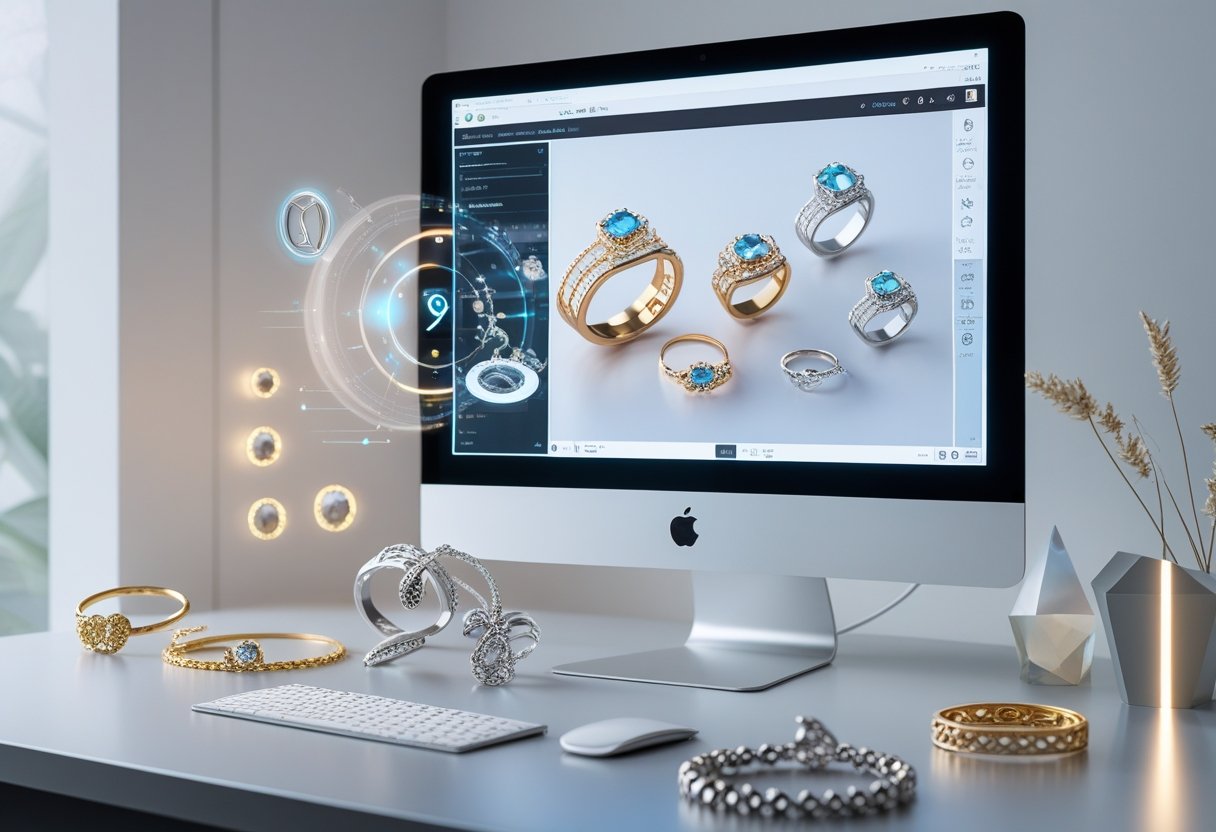
AI-powered design platforms support both beginners and experienced designers by simplifying complex processes like creating necklaces, bracelets, and earrings. These tools also assist in jewelry manufacturing and help businesses identify popular styles, enhancing decision-making for supply needs such as chains, clasps, and beads. The integration of AI in jewelry making is not just about design—it’s becoming a strategic asset for those looking to innovate and succeed.
By leveraging AI jewelry design tools, creators can experiment with custom options faster and with greater precision. This means AI is playing a crucial role in jewelry personalization, improving concept development, and expanding opportunities for new business ideas in the industry.
AI Jewelry Design Fundamentals
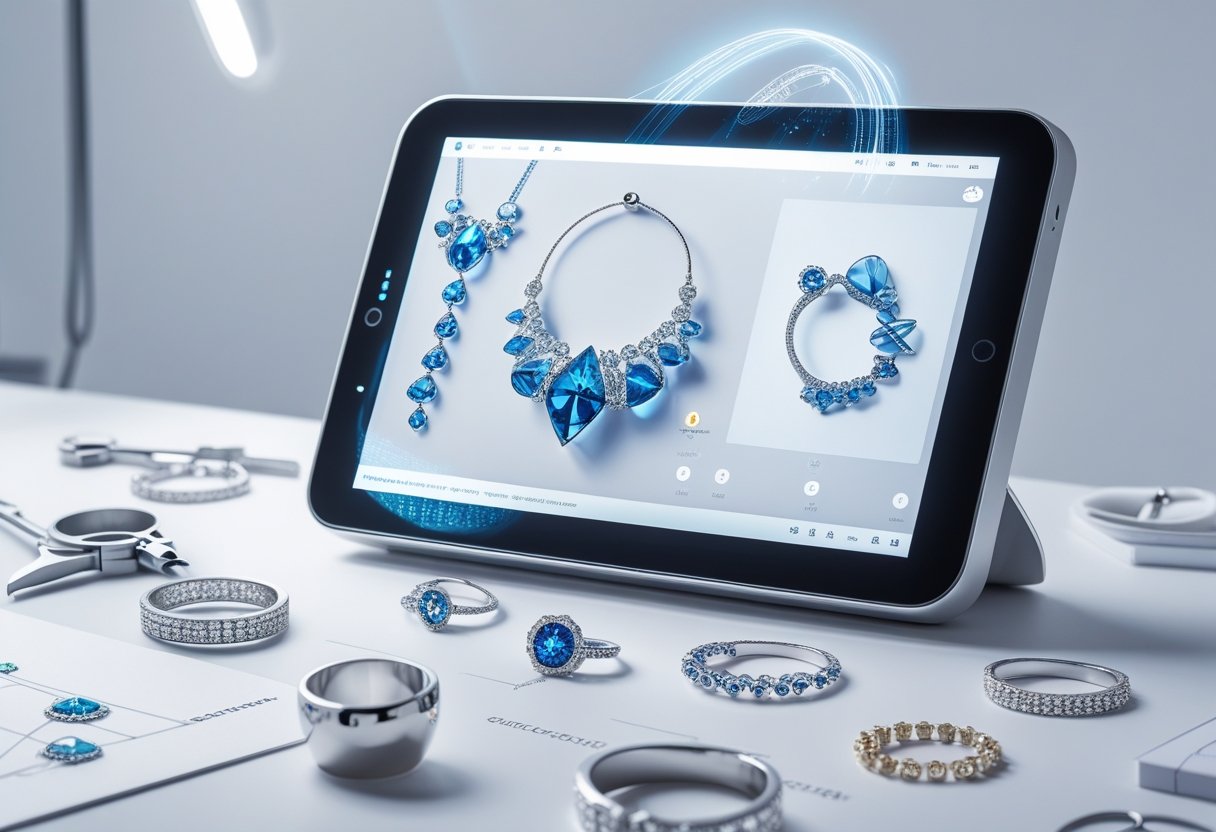
AI technology has introduced new methods for creating intricate and personalized jewelry designs. It streamlines the design process, enhances creativity, and allows for the precise customization of various jewelry elements.
How AI Transforms Jewelry Creation
AI automates complex design tasks, enabling quicker generation of multiple jewelry concepts. It uses algorithms to produce detailed variations of chains, charms, beads, and clasps based on text prompts or initial sketches.
This automation reduces the time between concept and prototype, helping designers explore a wider range of styles. AI also allows adjustment of materials, shapes, and patterns in real time, which improves efficiency in both crafting and manufacturing jewelry pieces.
Key Concepts in AI Jewelry Design
AI jewelry design operates on machine learning models trained to understand styles, materials, and construction techniques. These models generate designs that maintain structural integrity while reflecting current fashion trends.
Designers input parameters like metal type, gem placement, and style preferences. The AI then produces realistic 3D visualizations or artistic renderings which can be refined further. This encourages experimentation with bead patterns, chain styles, and charm layouts that might be difficult with traditional methods.
Role of AI in Custom Jewelry
AI enhances custom jewelry creation by transforming client descriptions into precise designs. It simplifies personalization by dynamically adjusting size, shape, and material based on individual preferences.
This technology supports the creation of engagement rings, bracelets, and earrings tailored to unique tastes. It enables rapid prototyping, which shortens turnaround times for one-of-a-kind pieces. By integrating customization tools, AI empowers both professional jewelers and hobbyists to deliver personalized, high-quality jewelry efficiently.
AI Jewelry Generators and Tools
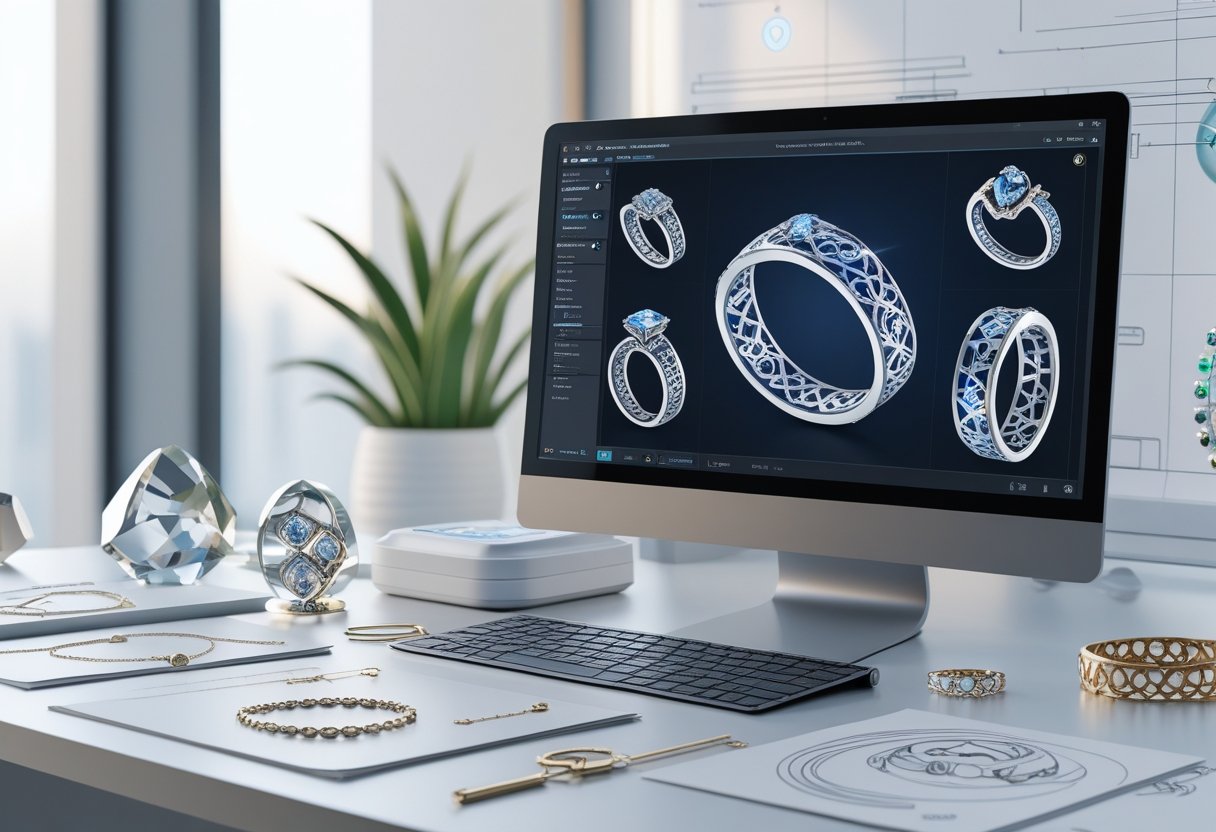
AI jewelry design relies on specialized software that transforms user input into custom jewelry concepts. These tools vary in features but generally enable rapid design creation, customization, and export for manufacturing or marketing purposes.
Overview of AI Jewelry Generators
AI jewelry generators are digital platforms that use machine learning algorithms to create jewelry designs based on user input. They convert ideas, usually provided through text or sketches, into detailed, high-fidelity images or 3D models. This allows designers and hobbyists to visualize unique pieces without manual drafting.
These generators support several jewelry types, including necklaces, rings, bracelets, and earrings. Some tools also generate specific elements like chain links, charms, and beads tailored for custom pieces. AI's role streamlines creative workflows while maintaining design precision.
Popular AI Jewelry Design Platforms
Several AI jewelry design platforms serve different user needs, from novices to professionals. Notable examples include Fluxai.art, Fotor’s AI Jewelry Generator, and Dzine’s AI Jewelry Design tool. Fluxai.art offers virtual try-on filters to visualize designs on a model, aiding e-commerce.
Fotor is known for its ability to produce a broad range of design styles such as 3D, ink art, and watercolor from simple text prompts. Dzine emphasizes ease of use and quick concept generation, appealing to both designers and hobbyists. Many platforms require no login, allowing instant access.
How Text Prompts Work in Jewelry Design
Text prompts are concise descriptions inputted by the user to guide the AI in generating designs. For example, a user might type “gold chain with small diamond charms” or “vintage-inspired pearl necklace.” The AI interprets these keywords and style cues to produce matching visual designs.
Effective prompts balance specificity and creativity; detailed prompts yield accurate outcomes, while broad prompts encourage more varied creations. The AI parses key elements like material, style, shape, and ornamentation. This enables rapid iteration and exploration of different jewelry concepts.
Exporting AI-Generated Designs
Once designs are generated, users can export them in various formats for further use. Common export options include high-resolution images (PNG, JPEG) for marketing or presentation purposes. Some platforms enable 3D model exports for manufacturing or prototyping.
Downloads typically come with no additional cost on many free tools. Exported files are suitable for online shops, catalogs, or sending directly to jewelry manufacturers. Users can also share designs on social media or use them in digital portfolios.
Creating Unique AI Jewelry Ideas
AI enables the rapid creation of innovative, personalized jewelry designs by blending creativity with technology. It offers precise control over materials, shapes, and styles to match specific design goals.
Generating New Jewelry Design Ideas With AI
AI jewelry generators analyze existing design data to propose fresh concepts for rings, necklaces, earrings, and bracelets. Using text prompts or base templates, they quickly produce multiple variations that showcase unique combinations of materials, shapes, and patterns.
This process saves valuable design time by offering diverse starting points and reducing creative blocks. Designers can explore AI-generated charm patterns, bead layouts, and chain styles that blend classic and modern trends without manual sketching.
AI tools also identify emerging market demands by suggesting trendy yet customizable design elements. This makes them valuable for creating custom jewelry designs optimized for style and manufacturability.
Transforming Inspiration into Jewelry Concepts
Once design ideas emerge, AI helps convert vague inspiration into detailed digital prototypes. Designers can input rough concepts or descriptive prompts, and the AI refines them into high-fidelity visuals with accurate materials and textures.
Users can adjust features like clasps, beads, and charms to personalize pieces for clients or collections. This iterative feedback loop between the designer and AI ensures unique designs maintain functional and aesthetic balance.
AI-generated 3D models and renderings assist in visualizing how custom elements work together, enabling faster decision-making. This streamlines the journey from abstract inspiration to polished jewelry ready for manufacturing or client approval.
AI-Powered Jewelry Customization and Personalization
AI technology enables precision and efficiency in tailoring jewelry to meet specific tastes and needs. From adjusting design elements to selecting compatible components, AI streamlines the creation of custom jewelry pieces that reflect individual style.
Customizing Jewelry for Individual Preferences
AI jewelry design tools analyze user input—such as style preferences, occasion, and material choice—to generate designs that align with personal aesthetics. These tools allow designers and customers to adjust aspects like size, shape, and pattern interactively.
By using AI, the customization process becomes faster and more precise. Designers can explore multiple variations and receive recommendations based on past selections or trending styles. This approach reduces manual iterations and helps in creating pieces that match the wearer’s personality and lifestyle.
Personalizing Beads, Charms, and Chains With AI
AI enhances personalization beyond the overall jewelry design by focusing on individual components like beads, charms, and chains. It generates unique patterns for beads, optimizes charm shapes, and suggests chain styles that complement the final piece.
This technology enables the combination of different materials and styles efficiently. For example, AI can design bead patterns that harmonize with specific metals or create charm shapes that resonate with the intended theme. Designers also gain insights into component compatibility, improving the overall balance and wearability of the jewelry.
AI Jewelry Trends and Designs for 2025
AI is driving new levels of creativity and precision in jewelry design. It enables tailored styles, faster prototyping, and innovative manufacturing techniques that push the boundaries of traditional craftsmanship.
Emerging Styles in AI-Generated Jewelry
In 2025, AI-generated jewelry emphasizes hyper-personalization and eco-conscious production. Designs reflect individual preferences, drawing on data such as style history and social media trends to create unique pieces.
Popular motifs include AI-created bead patterns, intricate charm designs, and custom chain styles. These elements often blend traditional craftsmanship with generative algorithms, resulting in complex yet wearable artworks.
Sustainability is a key trend. AI optimizes material use and reduces waste during manufacturing. Designers also use AI to test new combinations of clasps, beads, and charms for both aesthetic appeal and durability before production.
AI Designed Necklaces, Bracelets, and Earrings
Necklaces benefit from AI’s ability to generate complex chain links and pendant designs tailored to specific tastes. This includes personalized engraving and adaptive sizing that fits customers perfectly.
Bracelets designed with AI often feature modular components like AI-generated beads and charms. These components can be altered or added easily to create versatile and customizable accessories.
Earrings in 2025 show a wide range of AI-driven innovation, from lightweight, balanced studs to bold statement pieces. AI helps refine comfort, proportion, and symmetry while enabling rapid iteration of new shapes and materials.
| Jewelry Type | AI-Driven Features | Key Benefits |
|---|---|---|
| Necklaces | Custom chains, personalized pendants | Perfect fit, unique aesthetics |
| Bracelets | Modular beads and charms | Adaptability, easy customization |
| Earrings | Symmetrical, ergonomic designs | Comfort, style innovation |
Prototyping and Manufacturing With AI
AI transforms jewelry creation by accelerating prototyping and optimizing manufacturing processes. It enables rapid iteration on designs and improves precision during production, reducing waste and cost.
AI for Jewelry Prototyping
AI tools generate detailed 3D models from sketches or text prompts, allowing designers to move quickly from concept to prototype. These models can be adjusted in real-time, enabling experimentation with shapes, textures, and materials without physical samples.
Using AI in prototyping shortens the design cycle significantly. Designers can produce multiple variations and select the best options before committing to manufacturing. This reduces manual labor and material costs typically involved in producing physical prototypes.
Platforms that integrate machine learning can predict how designs will behave under different manufacturing conditions, highlighting potential issues early. This leads to better quality control before moving on to the production phase.
Integrating AI Into Jewelry Manufacturing
AI systems streamline manufacturing through automation and precision control. Computer-aided manufacturing (CAM) driven by AI ensures exact replication of complex designs, including chains, charms, and bead patterns, with minimal error.
Data collected during production helps AI optimize resource allocation, selecting the best materials such as clasps and chains for durability and aesthetic matches. This efficiency reduces waste and accelerates production timelines.
AI also enables customization at scale. By linking design software to 3D printers or CNC machines, manufacturers can offer personalized pieces like bracelets or earrings tailored to individual specifications without increasing costs or turnaround time.
Jewelry Making Supplies For AI Designs
Creating AI-generated jewelry designs requires carefully chosen materials that align with the style and complexity of the pieces. Quality components such as chains, clasps, beads, and charms play a critical role in bringing AI concepts to life with precision and durability.
Selecting Components: Chains, Clasps, Beads, and Charms
Chains must be selected based on strength, finish, and compatibility with the design’s aesthetic. Common materials include sterling silver, gold-plated brass, and stainless steel, each offering different price and longevity options. Chain thickness influences both the design’s look and its weight, crucial for AI-generated statement pieces or delicate designs.
Clasps are essential for functionality and can enhance the overall design. Options like lobster clasps, toggle clasps, and magnetic clasps serve different preferences in ease of use and security. Matching the clasp style and metal tone with the chain ensures visual cohesion.
Beads and charms provide customization opportunities to AI-generated patterns. They should align in size, color, and material to avoid disrupting the design’s flow. Materials such as glass, resin, and semi-precious stones offer versatility for intricate bead patterns or unique charm designs in necklaces, bracelets, and earrings.
Sourcing Wholesale Jewelry Supplies
Wholesale suppliers offer cost-effective access to quality components suitable for AI jewelry manufacturing. Reliable sources include established distributors specializing in materials like chains, clasps, beads, and charms.
Buying in bulk reduces costs and ensures consistent availability, particularly important for designers scaling AI-generated collections. When selecting suppliers, considerations include product variety, minimum order quantities, shipping terms, and return policies.
Online platforms dedicated to jewelry making supplies often provide detailed product information and customer reviews. This helps designers verify the quality and compatibility of components before purchase. Maintaining a good relationship with wholesale suppliers can streamline inventory management and facilitate access to new materials suited for evolving AI jewelry trends.
AI Jewelry Business Ideas and Opportunities
AI technology enables new business models and marketing methods in the jewelry industry. Entrepreneurs and designers can use AI to create customized products quickly, streamline production, and reach targeted customers effectively.
Launching an AI-Powered Jewelry Business
Starting a jewelry business powered by AI involves integrating AI-generated designs and personalization options. Designers can use AI jewelry generators to produce unique chains, charms, beads, and clasps tailored to customer preferences. This reduces reliance on manual sketching and accelerates the design-to-production cycle.
Using AI also allows businesses to offer customized necklaces, bracelets, and earrings at scale, appealing to customers seeking individuality. Wholesale jewelry making supplies and AI-manufactured components can support efficient inventory management. Focusing on AI-driven customization builds a competitive edge in the saturated jewelry market.
Leveraging AI for Marketing and Content Creation
AI can optimize marketing strategies through data-driven insights and automation. Businesses use AI analytics to identify trends in jewelry preferences, such as popular bead patterns or charm designs, enabling precise targeting.
Content creation tools generate engaging visuals and descriptions of AI-designed pieces, enhancing online presence. Social media campaigns benefit from AI recommendations on posting times and audience engagement. Designers and brands that apply AI-powered content generation improve reach and conversion rates while reducing marketing workload.